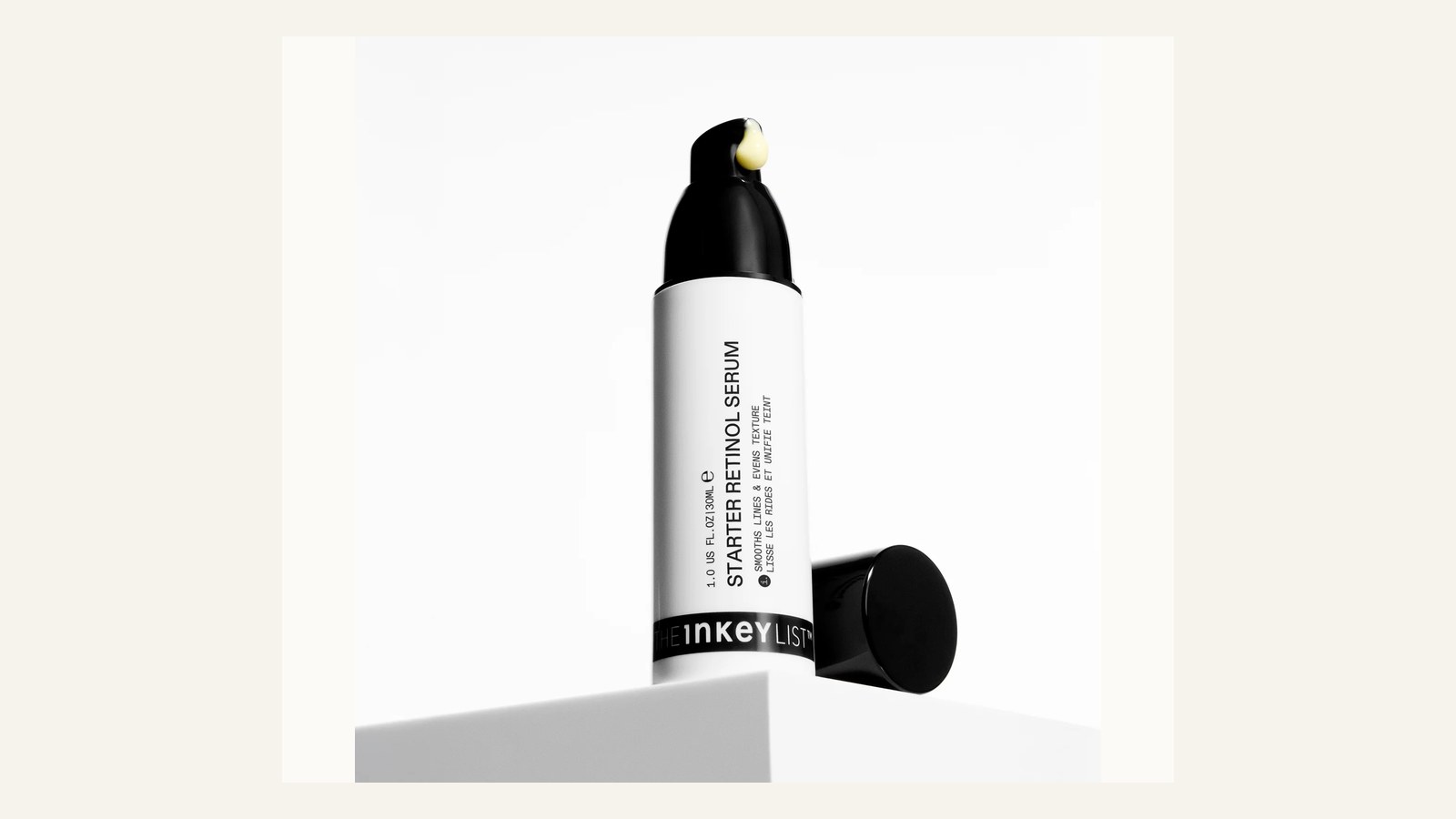
If your skin barrier feels irritated, the hardest purchase is often not the most expensive one. It is deciding whether you need another active serum or a quieter cream. Niacinamide and ceramides both appear on barrier-repair labels, but they do different jobs. Niacinamide is a flexible vitamin B3 ingredient often used for oiliness, uneven tone, dullness, redness-looking skin, and barrier support. Ceramides are lipids that help the outer skin layer hold moisture and resist irritants.
The practical answer is simple: if your skin is currently tight, flaky, over-exfoliated, or stinging, start with ceramides. If your skin is mostly comfortable but you want help with visible shine, pores, dullness, or uneven tone, niacinamide can be the more useful next step. This guide is not medical advice and it is not based on Raybould first-hand testing. It is a source-backed buying comparison using current product pages, ingredient lists, texture notes, and sensitive-skin routine logic. You can read more about our review standards on our editorial policy and who we are on about Raybould Marketing.
Niacinamide vs Ceramides for Barrier Repair: the quick comparison
| Decision point | Niacinamide | Ceramides |
|---|---|---|
| Main role | Active support for tone, shine, texture, and barrier function | Barrier lipid support through moisturisers and creams |
| Better first step when | Skin is stable but oily, dull, uneven, or pore-focused | Skin is dry, tight, flaky, or easily irritated |
| Texture usually seen | Water-based serums or boosters | Creams, lotions, and richer barrier moisturisers |
| Sensitive-skin risk | Higher if the formula is strong, layered badly, or used too often | Usually lower, but fragrance and rich textures can still be an issue |
| Value question | Is the concentration worth another step? | Is the cream calm, usable daily, and cost-effective per application? |
| Routine position | After cleansing, before moisturiser | Moisturiser step, often after serum |
Ceramides are the safer first purchase when the barrier already feels compromised. A serum can be useful, but it still asks your skin to tolerate another leave-on active. A ceramide moisturiser solves the more basic problem first: does your routine leave enough moisture and comfort behind?
Niacinamide is not the enemy of a damaged barrier. The difference is timing. A calmer barrier gives niacinamide a better chance to help without becoming one more variable.
What niacinamide actually does for sensitive skin
Niacinamide is a form of vitamin B3. In skincare, it is used because it can support several visible concerns at once: uneven tone, dullness, oiliness, pore appearance, redness-looking skin, and texture. SELF's dermatology explainer on niacinamide benefits points to research on nicotinamide and epidermal barrier support, including work on ceramide biosynthesis.
That does not mean every niacinamide serum is automatically gentle. Concentration, formula base, layering, and your current barrier condition matter. A 10% niacinamide serum may be fine for many shoppers, but it is not the same as a low-strength moisturiser that happens to include niacinamide. If your skin is already burning when you apply basic products, the buying question should shift from "which active is impressive?" to "which step removes friction from my routine?"
Niacinamide makes the most sense when your moisturiser is already boring and reliable, but your skin still has visible shine, uneven tone, or rough-looking texture. It is also useful when you want a lighter step than a heavy barrier cream.
What ceramides actually do for barrier repair
Ceramides are lipid molecules found naturally in the outer skin barrier. Verywell Health's overview of ceramides in skin care explains the basic "brick and mortar" idea: skin cells form the bricks, while lipids such as ceramides help fill the gaps so moisture stays in and irritants stay out.
In product terms, ceramides usually appear in moisturisers, creams, lotions, and barrier balms. They are rarely the only useful part of the formula. The best practical barrier creams combine several support roles: humectants such as glycerin or hyaluronic acid, emollients to soften, occlusives or richer lipids to reduce water loss, and a low-irritation base.
Ceramides are the stronger first step if your skin feels stripped after cleansing, flakes around the mouth or nose, reacts to exfoliating acids, or struggles when you start retinoids. For more product shortlisting, pair this guide with our barrier repair skincare picks and the beginner retinoids for sensitive skin guide.
Product example 1: The Ordinary Niacinamide 10% + Zinc 1%
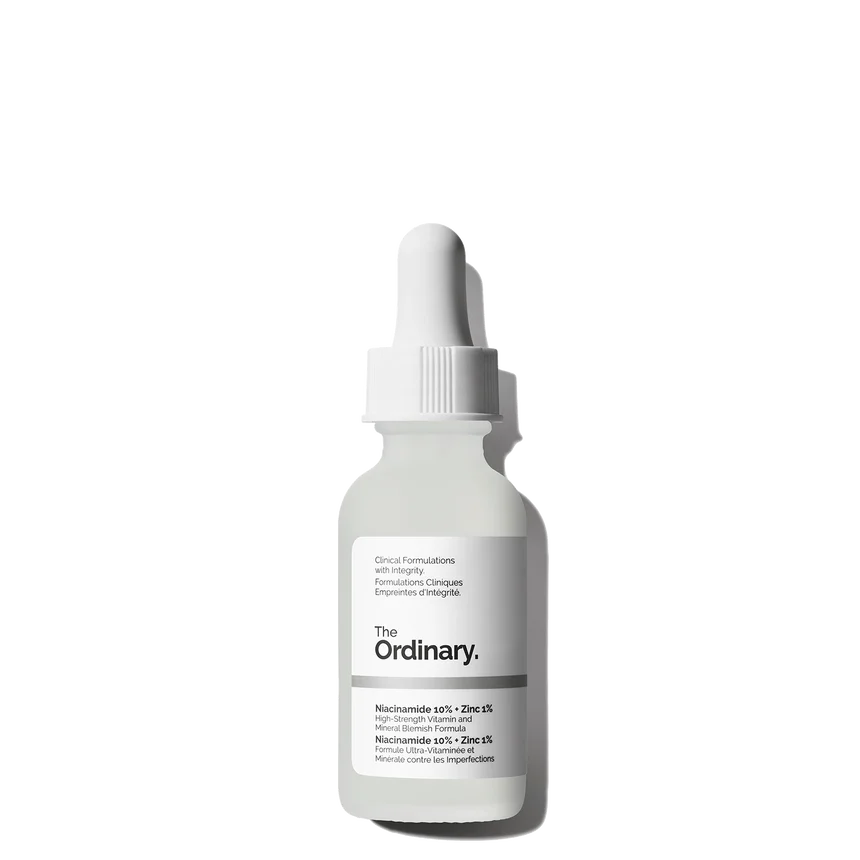
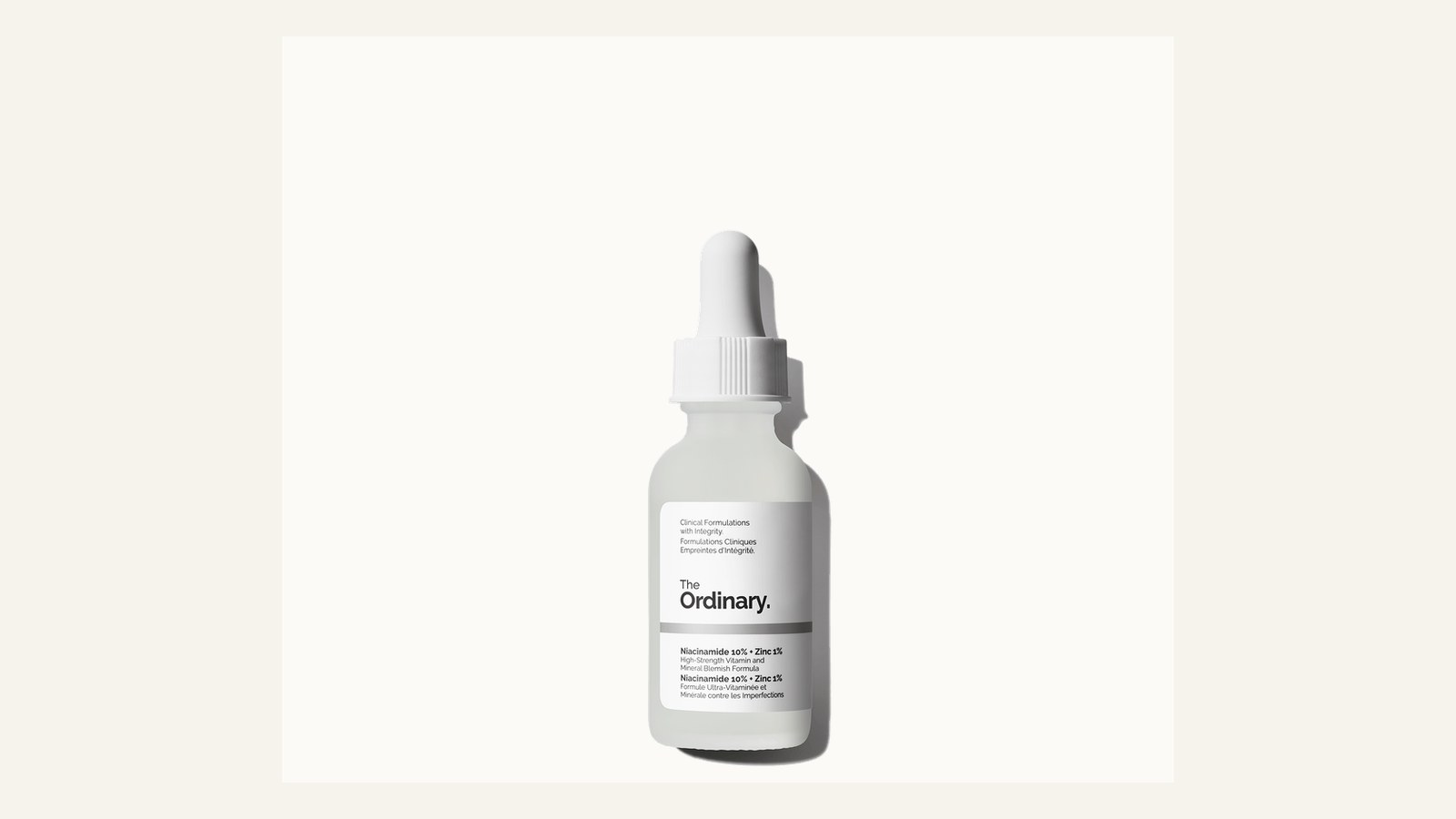
The Ordinary Niacinamide 10% + Zinc 1% is the classic budget serum example. The official UK page lists it at GBP 5.00 at the time checked, with 30ml and 60ml sizes. The ingredient list starts with water and niacinamide, then includes pentylene glycol and zinc PCA. The brand describes it as a water-based serum for blemish-prone skin that targets visible shine, dullness, texture irregularities, and congestion-looking skin. It also lists a pH range of 5.00-6.50 and advises patch testing and stopping if irritation occurs.
This is the niacinamide route for shoppers who want a low-cost active and do not mind a separate serum step. It is not the lowest-guesswork option for a damaged barrier because it is a treatment serum rather than a cushiony moisturiser. For sensitive skin, the smarter use case is not "repair my barrier overnight." It is "my routine is stable, but I still want help with shine, pores, or dull-looking texture."
Value note: the price-per-ml is strong, but only if you can use it consistently. If a 10% serum makes you flush, tingle, or overthink every layer, the cheap bottle becomes false economy.
Source: The Ordinary Niacinamide 10% + Zinc 1% official page.
Product example 2: CeraVe Moisturising Cream Pot
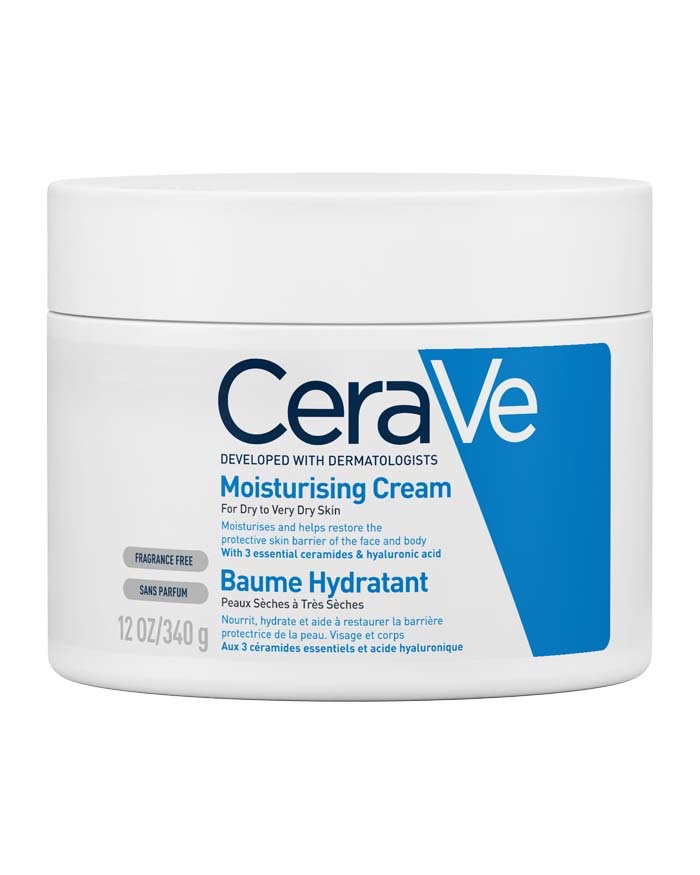
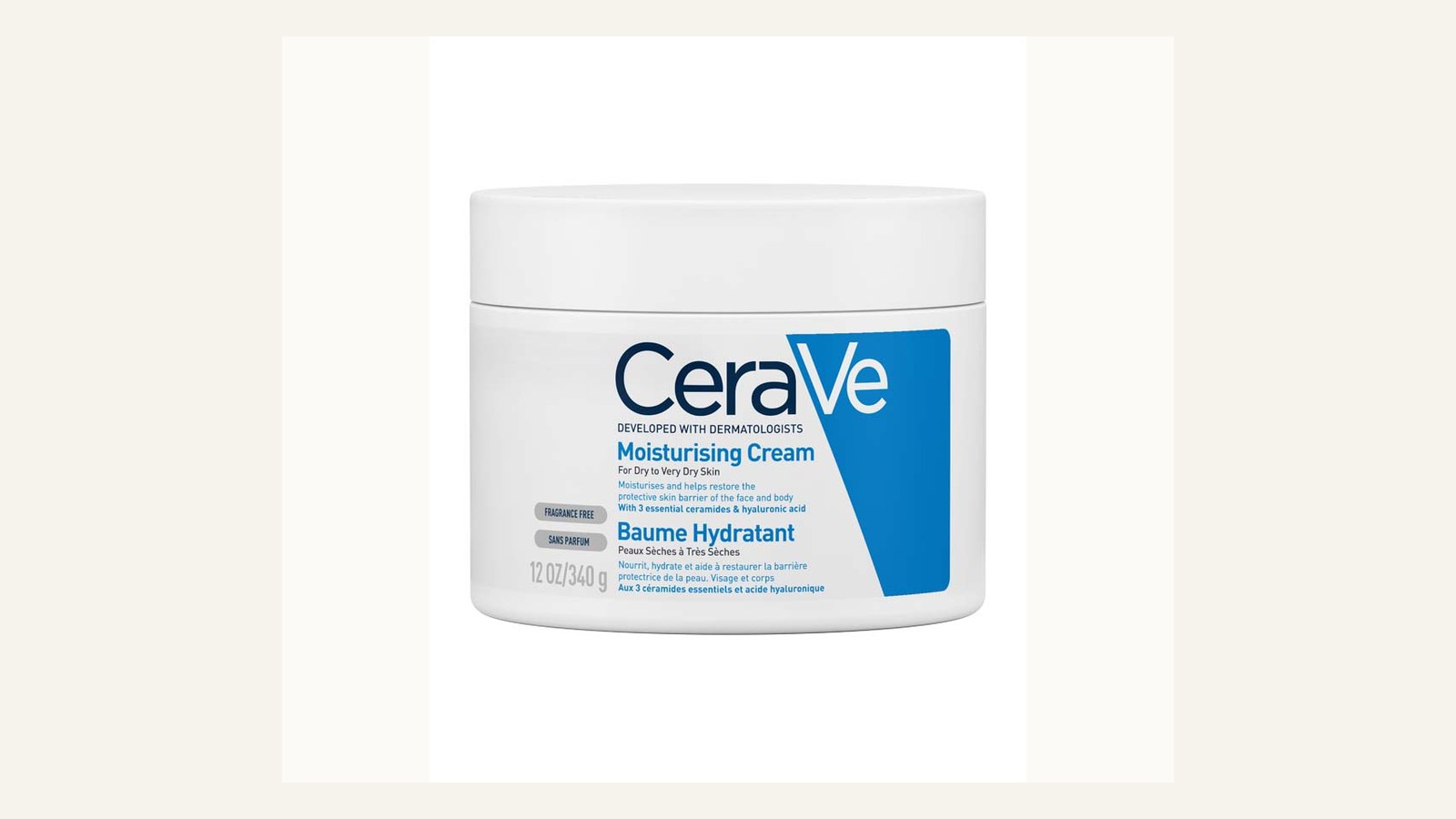
CeraVe Moisturising Cream Pot is the straightforward ceramide example. The UK product page says it contains three essential ceramides and hyaluronic acid, is developed with dermatologists, and is suitable for dry to very dry skin. The ingredient list includes glycerin, petrolatum, dimethicone, sodium hyaluronate, cholesterol, phytosphingosine, and ceramides NP, AP, and EOP. It is also listed as non-comedogenic and fragrance-free.
This is the safer first purchase when your barrier is already complaining. It is not exciting, and that is the point. A fragrance-free cream with ceramides, humectants, occlusive support, and a large pot format can be used on face or body depending on your tolerance and preference. The richer texture may be too much for oily skin in the morning, but it is often useful at night or on dry zones.
The key tradeoff is packaging and feel. A pot is good value, but some shoppers prefer tubes or pumps for hygiene and convenience. The texture is also more practical than elegant. If you want a silky, lightweight face cream, check texture carefully before buying.
Source: CeraVe UK Moisturising Cream Pot official page.
Product example 3: Dr. Jart+ Ceramidin Skin Barrier Moisturizing Cream
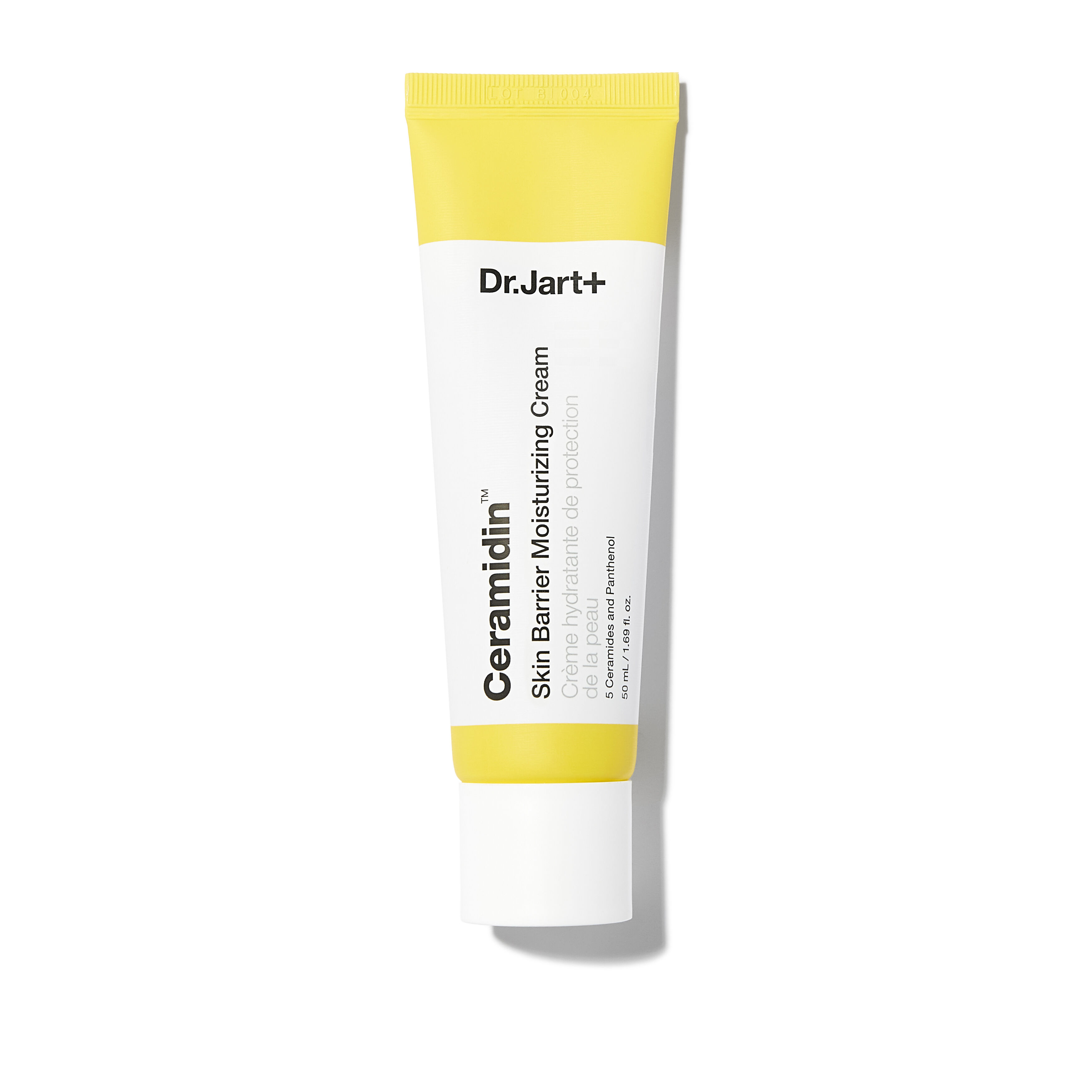
Dr. Jart+ Ceramidin Skin Barrier Moisturizing Cream is the richer, more premium ceramide comparison point. Space NK lists the 50ml size at GBP 38.00 at the time checked. The page describes 2.3% ceramides and glycerin for barrier support, with panthenol for moisture renewal. The ingredient list includes ceramide NP, NG, NS, AS, and AP, plus cholesterol and fatty acids.
The reason to consider it is texture and cushioning. It is aimed at dehydration, barrier repair, and tired-looking skin, and it will appeal to shoppers who want a more comforting cream than a basic tub moisturiser. The reason to be cautious is sensitivity. The listed ingredients include geranium flower oil, bergamot fruit oil, sage oil, and citronellol. Some sensitive-skin shoppers tolerate these without issue; others prefer completely fragrance-free formulas when the barrier is angry.
So the verdict is not "premium means better." It is "premium can mean a nicer texture and more sensorial use, but fragrance-related ingredients make patch testing more important."
Source: Space NK Dr. Jart+ Ceramidin product page.
Which should you buy first?
Buy ceramides first if your skin has signs of barrier stress: tightness after washing, burning from ordinary moisturiser, visible flaking, retinoid irritation, post-exfoliation sensitivity, or a routine that keeps changing because nothing feels comfortable. In that situation, a bland ceramide moisturiser gives you a baseline.
Buy niacinamide first if your barrier is not actively irritated and your bigger concern is oil control, dullness, enlarged-looking pores, uneven tone, or mild redness-looking skin. Keep the rest of the routine simple so you can tell whether the serum helps.
Buy both only if each has a separate job. The most useful pairing is a niacinamide serum under a ceramide moisturiser, used gradually. Start with the moisturiser for several days. Add the serum every other day. If your skin stays calm, increase slowly. If your skin starts stinging, stop the newest step first.
For routine order, use our simple skincare routine builder. If you are unsure whether an ingredient is helping or just adding noise, our ingredient decoder for sensitive skin explains label clues in plainer language.
Texture and irritation risk
Texture matters because sensitive skin is not only about ingredients. A serum can look clean on paper and still feel sticky, tight, or irritating if layered under the wrong cream. A rich cream can contain useful lipids and still clog-feel or sit heavily under SPF.
The Ordinary is the lightest format here: a water-based serum that fits before moisturiser. CeraVe is the most utility-led: rich, fragrance-free, large format, and practical for dry zones. Dr. Jart+ is the most sensorial: richer and more polished, but with fragrance-related ingredients that make it less obvious for highly reactive skin.
If your skin often reacts, avoid changing cleanser, serum, moisturiser, and SPF at the same time. That is how good products get blamed for bad sequencing. Add one product, keep the rest boring, and give your skin several uses before judging.
Price-per-use and value
Price checked 9 July 2026: The Ordinary was listed at GBP 5.00 on the UK official page. CeraVe pricing varies by retailer and pot size, but the large-pot format usually gives it a strong price-per-use advantage. Dr. Jart+ was listed at GBP 38.00 for 50ml at Space NK.
The value winner depends on what you will actually use. A cheap niacinamide serum is good value if it solves a visible concern without irritation. A large ceramide cream is good value if you can use it daily on face, neck, hands, or dry patches. A premium cream is good value only if the texture makes you more consistent and the fragrance profile suits your skin.
For deal timing and bundle logic, use our skincare deal value check before buying two barrier products at once.
Internal link path for this cluster
If you are building a calm routine, read this page in this order: start with barrier repair skincare for moisturiser picks, use the routine builder to place each step, check the ingredient decoder when labels become confusing, then use the texture guide if your main issue is uneven feel rather than true dryness.
That sequence is more useful than buying every ingredient that claims barrier support.
FAQ
Is niacinamide or ceramides better for a damaged skin barrier?
Ceramides are usually the better first step when the barrier already feels damaged because they belong in the moisturiser step and directly support moisture retention. Niacinamide can support barrier function too, but a treatment serum is more likely to add another variable when your skin is already reactive.
Can I use niacinamide and ceramides together?
Yes, many routines can use both. A practical order is niacinamide serum first, ceramide moisturiser after. If you are sensitive, start with the moisturiser alone, then add niacinamide every other day. Stop or reduce the newest step if stinging, flushing, or new dryness appears.
Is 10% niacinamide too strong for sensitive skin?
Not always, but it can be more than some sensitive routines need. A 10% serum is a treatment product, not a basic repair cream. If your skin is reactive, consider using it less often, applying it over a hydrating layer, or choosing a moisturiser with lower-strength niacinamide instead.
Do ceramide creams clog pores?
They can feel heavy for some oily or acne-prone skin types, but ceramides themselves are not automatically pore-clogging. The whole formula matters: occlusives, oils, waxes, texture, and how much you apply. If rich creams break you out, try using them only on dry areas or at night.
Should I use ceramides before retinoids?
A ceramide moisturiser can be useful before or after retinoids, especially when you are new to retinoids. Many sensitive-skin routines use a moisturiser sandwich: moisturiser, retinoid, moisturiser. For product examples, see our beginner retinoids for sensitive skin guide.
Are niacinamide and ceramides medical treatments?
No. They are skincare ingredients, not substitutes for diagnosis or prescribed treatment. If you have persistent eczema, rosacea, allergic reactions, infection signs, or severe burning, speak with a qualified clinician rather than trying to solve it through shopping.
Final verdict
If your skin barrier is actively upset, buy the ceramide moisturiser first. If your skin is stable but you want help with shine, pores, dullness, or uneven tone, add niacinamide carefully. The strongest routine is not the one with the most barrier claims. It is the one your skin can tolerate every week without forcing you to start over.
Affiliate disclosure: Raybould Marketing may earn a commission if you buy through some retailer links, at no extra cost to you. Our comparisons prioritise ingredient role, routine fit, irritation risk, and value checks before commission potential.