If your moisturiser suddenly stings, your cheeks feel tight after cleansing, or every active ingredient seems to make things worse, the next purchase should not be another strong serum. The useful move is usually quieter: reduce the routine, protect the skin from extra water loss, and choose a barrier repair product with a texture you will actually use.
This guide is written from an editorial, source-led perspective. We have not done first-hand clinical testing, and skincare can be personal. The aim is to help you compare barrier repair skincare by ingredient role, texture, routine fit, irritation risk, packaging, and value. For more on how Raybould Marketing handles product selection and affiliate links, see our editorial policy and about page.
What Barrier Repair Skincare Should Actually Do
A stressed skin barrier often feels dry, tight, flaky, easily flushed, or reactive after products that used to feel fine. That does not automatically mean the skin needs a complicated recovery routine. The NHS describes emollients as moisturising treatments that soothe and hydrate skin while leaving a protective film to help trap moisture (NHS emollients guidance). That is the practical baseline for this shortlist.
A good barrier repair product should do at least one of three jobs. First, it should reduce water loss with occlusive or semi-occlusive ingredients such as petrolatum, dimethicone, waxes, oils, or rich butters. Second, it should support hydration with humectants such as glycerin or hyaluronic acid. Third, it should fit the routine without triggering more irritation through unnecessary fragrance, harsh exfoliation, or over-layering.
If you are trying to rebuild a simple routine, start with our simple skincare routine builder and use this page as the product shortlist. If you want to understand the ingredient language before buying, keep our ingredient decoder for skincare shoppers open as a companion.
How We Shortlisted These Barrier Repair Picks
The shortlist favours products with clear ingredient information, realistic use cases, and routine flexibility. We looked for formulas that make sense for sensitive, dry, or recently over-exfoliated skin without claiming they can replace medical care.
We also separated texture from “strength.” A thick balm can be useful on irritated patches, but too much of it under sunscreen or makeup may feel heavy. A ceramide cream can be easier for daily face and body use, but may not feel protective enough for cracked or very fragile areas. A restorative cream can sit between those two needs.
Price and availability move often, so value is discussed as price-per-use logic rather than a permanent deal claim. Prices and product details were checked on 9 July 2026 where brand pages showed them. For discounts and bundle checks, use our skincare deal value guide before buying more than one tube or tub.
1. La Roche-Posay Cicaplast Baume B5+ Repairing Balm: Targeted Balm for Irritated, Overworked Skin
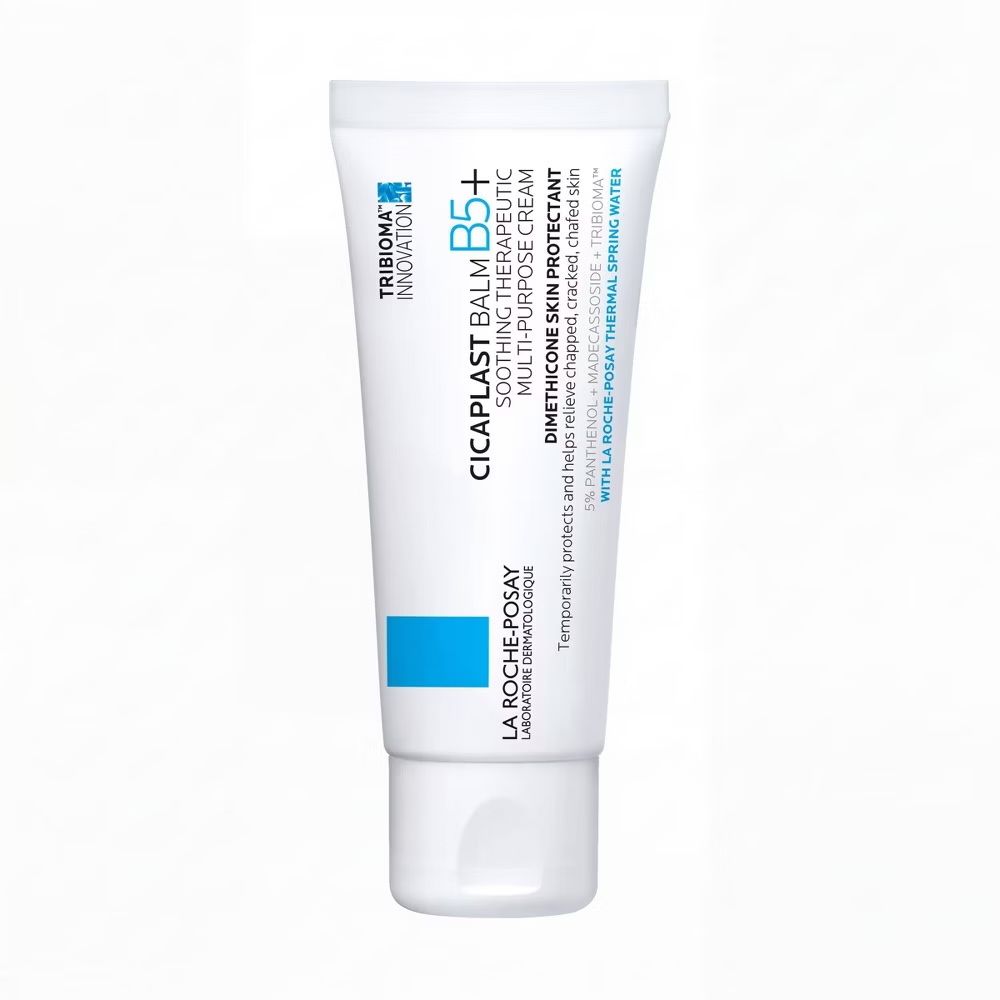
La Roche-Posay Cicaplast Baume B5+ Repairing Balm is the most targeted pick here. The UK brand page positions it for irritated or damaged skin and lists panthenol, madecassoside, glycerin, shea butter, dimethicone, zinc gluconate, manganese gluconate, and a prebiotic complex in the formula (La Roche-Posay UK product page). The brand page showed £11.00 for 40ml and £19.90 for 100ml when checked on 9 July 2026.
The texture is the reason to buy it and the reason some shoppers may skip it. This is a balm-cream, not a weightless lotion. It makes most sense as a final step over dry patches, around the nose, on wind-chapped areas, or on a face that feels overdone after too many actives. It can also be a useful night product when you want to stop experimenting and give the skin a more protected environment.
The ingredient story is balanced: panthenol and glycerin for comfort and hydration, dimethicone and shea butter for a protective feel, and zinc/manganese for the brand's recovery-positioned formula. The product is fragrance-free, which matters when your barrier already feels reactive.
Routine fit: use after cleansing and a plain moisturiser, or use it as the moisturiser if your skin tolerates richer textures. Avoid layering it over acids, strong retinoids, or multiple serums during a barrier-reset week. If you are using retinoids and your skin is getting tight or flaky, pair this guide with our beginner retinoids for sensitive skin routines.
Skip it if you dislike balm textures, need a lightweight daytime cream under makeup, or are acne-prone and find richer occlusive layers uncomfortable. It is better as a repair-focused final layer than as a universal daily moisturiser for every skin type.
2. CeraVe Moisturising Cream Pot: Daily Ceramide Cream for Dry Face and Body Use
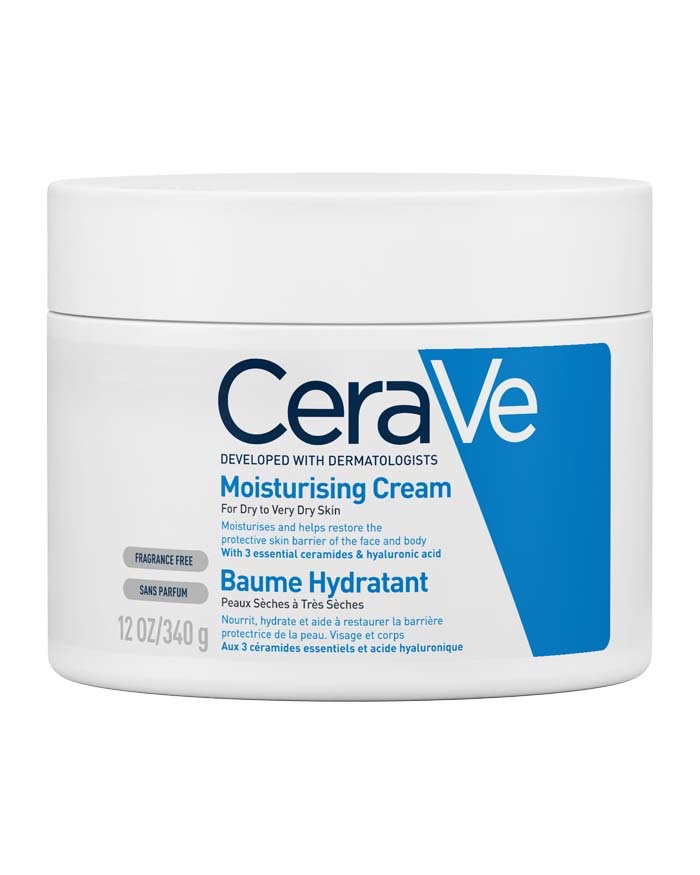
CeraVe Moisturising Cream Pot is the practical daily option. The UK product page describes it as a rich, non-greasy cream for dry to very dry skin with three essential ceramides, hyaluronic acid, glycerin, petrolatum, cholesterol, and sodium hyaluronate in the ingredient list (CeraVe UK product page). The brand also describes it as fragrance-free and non-comedogenic.
This is the pick for someone who wants one barrier-supportive moisturiser that can work across face, neck, hands, and body. It is less “rescue balm” than the La Roche-Posay option and more “steady maintenance cream.” That makes it useful if your barrier issue is mostly dry, tight, or winter-stressed rather than sharply irritated in one area.
The ceramide angle matters because ceramides, cholesterol, and fatty components are part of the skin-barrier conversation. CeraVe's formula is not exciting in a trend-led way, but that is part of the appeal. It focuses on moisturising, barrier support, and low-fragrance risk instead of adding exfoliating acids or a long list of decorative botanicals.
Routine fit: apply after a gentle cleanse while skin is slightly damp, then use sunscreen in the morning. It can also be layered under a targeted balm at night on areas that need more protection. If your skin feels rough or uneven rather than simply dry, read our skincare texture guide before assuming you need more exfoliation.
Packaging and value: the tub format can be cost-effective for face-and-body use, but use clean hands or a spatula if you are sharing it or applying after showering. If you only need a small face moisturiser for travel, the tub may be more product than you want.
Skip it if you prefer very light gel textures, dislike tub packaging, or need a tiny tube for a handbag. Choose it when the goal is dependable daily moisture and barrier support at a sensible cost per use.
3. Avène Cicalfate+ Restorative Protective Cream: Rich Recovery Cream for Fragile-Feeling Skin
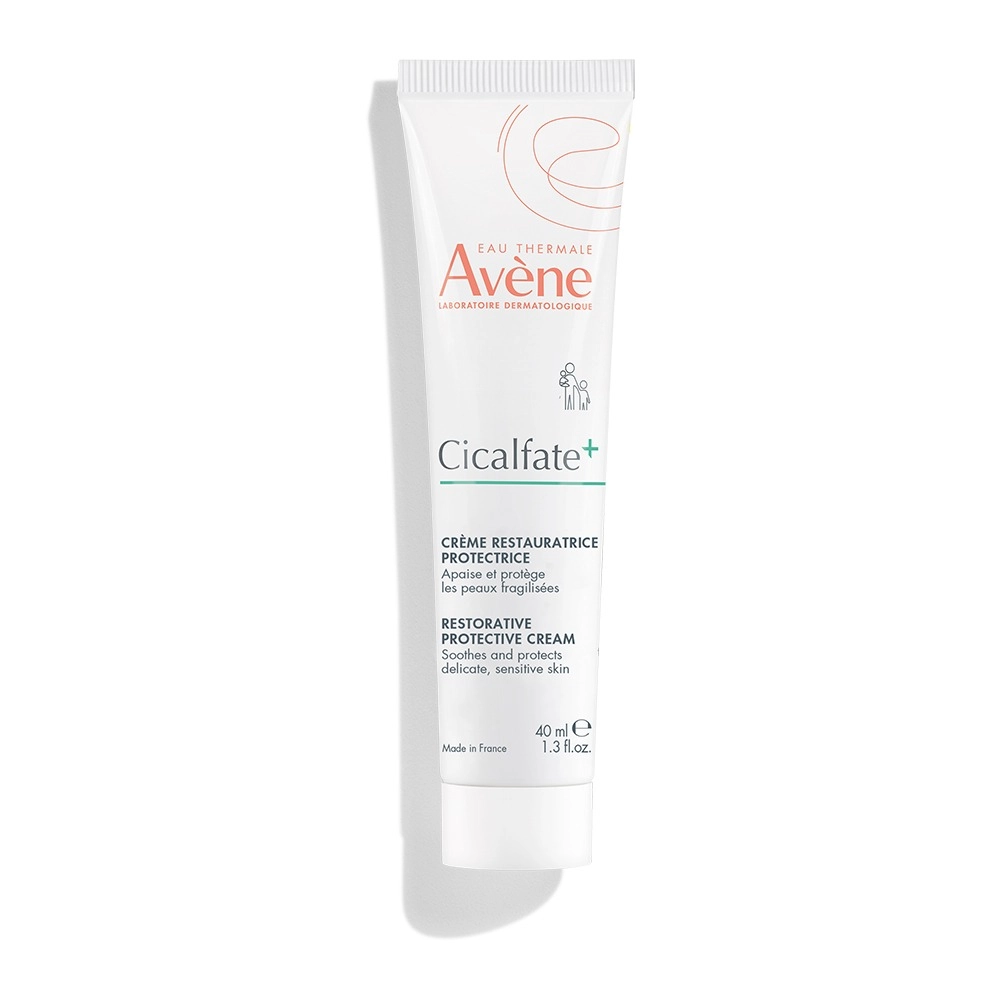
Avène Cicalfate+ Restorative Protective Cream sits in the recovery-cream lane. The official Avène page describes it as a rich nourishing cream for skin restoration, with Avène Thermal Spring Water, glycerin, zinc oxide, copper sulfate, zinc sulfate, beeswax, mineral oil, and Aquaphilus Dolomiae ferment filtrate in the ingredient list (Avène USA product page). The same page describes it as fragrance-free, alcohol-free, silicone-free, and non-comedogenic.
This is the pick for skin that feels fragile, dry, and easily upset, especially when you want a richer cream but do not want to build a complicated routine. Compared with CeraVe, it feels more like a protective recovery product than an everyday body-and-face moisturiser. Compared with Cicaplast, it has a different mineral-rich and postbiotic-positioned profile.
The texture is important. This is not the product to buy if you want a barely-there lotion. It is more suited to night use, dry areas, or short routine-reset periods. If you are trying to repair a barrier while also treating pigmentation, acne, or texture, simplify first. A damaged-feeling barrier usually does not reward stacking more actives.
Routine fit: cleanse gently, apply the cream to dry or reactive areas, and stop there if your skin feels overwhelmed. In the morning, use sunscreen once the skin feels comfortable enough for it. If you are deciding between ingredient-led products, our niacinamide vs ceramides barrier repair comparison explains when a calming support ingredient may make more sense than another active step.
Packaging and value: tube packaging is more hygienic and travel-friendly than a shared tub. The tradeoff is usually price per ml. If you are using it across large body areas, compare the cost carefully before making it your only moisturiser.
Skip it if your skin dislikes rich creams, if mineral-heavy textures leave a cast you dislike, or if you need a lightweight under-makeup product. Consider it when you want a serious-feeling recovery cream for dry, stressed areas without fragrance.
Quick Comparison Table
| Product | Best fit | Texture | Key barrier-support angle | Watch-outs |
|---|---|---|---|---|
| La Roche-Posay Cicaplast Baume B5+ | Targeted irritated patches and night repair | Balm-cream | Panthenol, madecassoside, glycerin, shea butter, dimethicone | May feel heavy under makeup or on oilier skin |
| CeraVe Moisturising Cream Pot | Daily dry skin moisture for face and body | Rich cream | Ceramides, hyaluronic acid, glycerin, petrolatum, cholesterol | Tub format; may be more product than face-only users need |
| Avène Cicalfate+ Restorative Protective Cream | Fragile-feeling dry areas and routine reset periods | Rich recovery cream | Zinc oxide, glycerin, mineral oil, beeswax, thermal spring water | Rich texture and higher price-per-ml potential |
How to Choose the Right Barrier Repair Texture
Choose the La Roche-Posay balm if the problem is local: corners of the nose, dry mouth area, wind-chapped cheeks, or a small irritated zone after overdoing actives. It is the most targeted option and the easiest to use as a final layer.
Choose CeraVe if the problem is broad dryness. It is the most practical daily moisturiser in this shortlist because it can work across face and body, and the ingredient list is built around a classic moisturising structure.
Choose Avène if your skin feels fragile and you want a richer recovery cream in a tube. It is a good fit when you want something more protective than a standard moisturiser but do not want the exact balm feel of Cicaplast.
A useful rule: do not buy the richest product just because your skin is stressed. Buy the texture you can apply consistently without rubbing, over-layering, or abandoning sunscreen.
What to Stop Doing During a Barrier Reset
A barrier repair product cannot compensate for a routine that keeps irritating the skin. For one to two weeks, consider pausing strong exfoliating acids, scrubs, high-strength retinoids, fragranced masks, and new product experiments. Keep a gentle cleanser, one moisturiser or repair cream, and daytime sunscreen.
Do not use this page as medical advice. If your skin is painful, oozing, infected-looking, or persistently inflamed, speak to a pharmacist, GP, or dermatologist. Barrier repair skincare can support comfort and moisture, but it should not delay care for a skin condition.
FAQ
What is the best barrier repair skincare ingredient?
There is no single ingredient that solves every barrier issue. Ceramides, glycerin, petrolatum, dimethicone, panthenol, fatty acids, cholesterol, shea butter, and zinc-containing formulas can all play useful roles. The right choice depends on whether your skin needs daily moisture, a richer protective layer, or a targeted balm for irritated patches.
Can I use barrier repair cream every day?
Yes, many barrier-supportive moisturisers can be used daily if your skin tolerates them. A daily cream such as CeraVe makes sense for ongoing dryness. A richer balm or recovery cream may be better used at night, on dry zones, or during short reset periods if it feels too heavy for daytime.
Should I use barrier repair skincare before or after retinol?
Use a barrier-supportive moisturiser after retinol if your skin tolerates retinol well. If your skin is stinging, peeling, or tight, pause retinol and simplify your routine first. Once comfortable, restart slowly and consider using moisturiser before and after retinol to reduce irritation risk.
Is Cicaplast or Cicalfate better for a damaged skin barrier?
Cicaplast is better if you want a balm-like final layer for irritated patches. Cicalfate+ is better if you want a rich recovery cream in a tube with a mineral and thermal-water profile. Both are fragrance-free options, but texture preference should drive the decision.
Do I need ceramides for barrier repair?
Ceramides are useful, especially for dry skin, but they are not the only barrier-supportive route. A formula with glycerin, petrolatum, dimethicone, panthenol, or other protective ingredients can still help reduce dryness and water loss. If you want a ceramide-led option, CeraVe is the clearest pick in this shortlist.
Editorial Verdict
For most shoppers, the sensible choice is not the product with the loudest repair claim. It is the one that matches the problem. Pick La Roche-Posay Cicaplast Baume B5+ for targeted irritated areas, CeraVe Moisturising Cream Pot for dependable daily dryness, and Avène Cicalfate+ for a richer recovery-cream feel.
The bigger lesson is routine discipline. Barrier repair skincare works best when it replaces noise, not when it becomes one more layer in an already overloaded routine. Start simple, track how your skin feels, and only add actives back when comfort returns.
Raybould Marketing may earn a commission if future retailer links are added to this page. Our recommendations remain editorial, source-led, and governed by our editorial policy.