A skincare deal can look generous and still be a poor buy for sensitive skin. The problem is not just price. It is the cost of irritation, the half-used jar that sits in a cupboard, the routine step you did not need, and the bundle that forces three new formulas onto a face that was already reactive.
The simple rule: a deal is only good value when the product fits your skin barrier, the unit price is genuinely lower, and the purchase does not make your routine harder to control. Raybould Marketing explains this kind of buying logic in our editorial policy and keeps a plain disclosure on our about page: if we link to a retailer, we may earn a commission, but the recommendation still has to make sense on formula fit, routine role, and value.
The skincare deal value check in 60 seconds
Before buying a discounted moisturizer, serum, cleanser, or bundle, run five checks.
- Routine role: Does it replace something you already use, or does it add a new step?
- Barrier fit: Does the ingredient list match your sensitive-skin needs?
- Unit price: Is the price per ml, gram, or application lower than the usual size?
- Use-up window: Can you finish it before it expires or before your skin changes seasonally?
- Exit risk: Can you return it unopened, pause the subscription, or avoid the rest of the bundle?
This matters most for sensitive skin because the cheapest product is not always the lowest-cost product. If a bargain cleanser strips your face, you may spend more repairing the barrier than you saved at checkout. If a bundle includes a strong exfoliant you never planned to use, the “free” extra may be the most expensive part of the order.
For routine context, compare this guide with our simple skincare routine for sensitive skin and our ingredient decoder for sensitive skin. Those pages help you decide what belongs in the routine before you judge whether the deal is worth buying.
Start with barrier fit, not the discount percentage
A 30% discount is not useful if the formula is a poor fit. For sensitive skin, the safer value checks usually begin with boring details: fragrance-free claims, humectants such as glycerin or hyaluronic acid, barrier lipids such as ceramides, and whether the product is a cream, gel, lotion, balm, or active treatment.
The FDA guidance on fragrances in cosmetics is a useful reminder that “unscented” and “fragrance-free” are not the same shopping signal. FDA notes that some unscented products can still contain fragrance ingredients used to mask the smell of other materials, and people concerned about fragrance sensitivity should choose fragrance-free products and read the ingredient list carefully.
The National Eczema Association moisturizing guide also supports the practical point behind this article: regular moisturizing is a core part of managing eczema-prone skin comfort. The NHS atopic eczema page similarly frames eczema as a dry, itchy, flare-prone condition where treatment can help manage symptoms. This article is not medical advice, but it is a reason to take “basic moisturizer value” seriously if your skin barrier is easily disturbed.
Product examples: when a deal is worth comparing
These examples are not a universal ranking. They show how to read a deal through ingredient role, texture, routine fit, package size, and checkout risk. Prices and promotions can change quickly, so the price notes below were checked on 2026-07-09 and should be rechecked before buying.
| Product example | Why it belongs in a value check | Watch before buying |
|---|---|---|
| CeraVe Moisturising Cream Pot | Rich, fragrance-free barrier moisturizer with ceramides and hyaluronic acid | Large tubs are good value only if you will use the texture consistently |
| The Ordinary Natural Moisturizing Factors + HA | Low-cost cream moisturizer with amino acids, glycerin, sodium hyaluronate, urea, and fatty acids | Smaller tubes can look cheap but may not always beat larger-size unit pricing |
| La Roche-Posay Toleriane Double Repair Face Moisturizer | Lightweight moisturizer with glycerin, niacinamide, ceramide-3, and squalane | Subscription savings are useful only if renewal timing matches your usage |
CeraVe Moisturising Cream Pot: good-value tub when rich texture fits
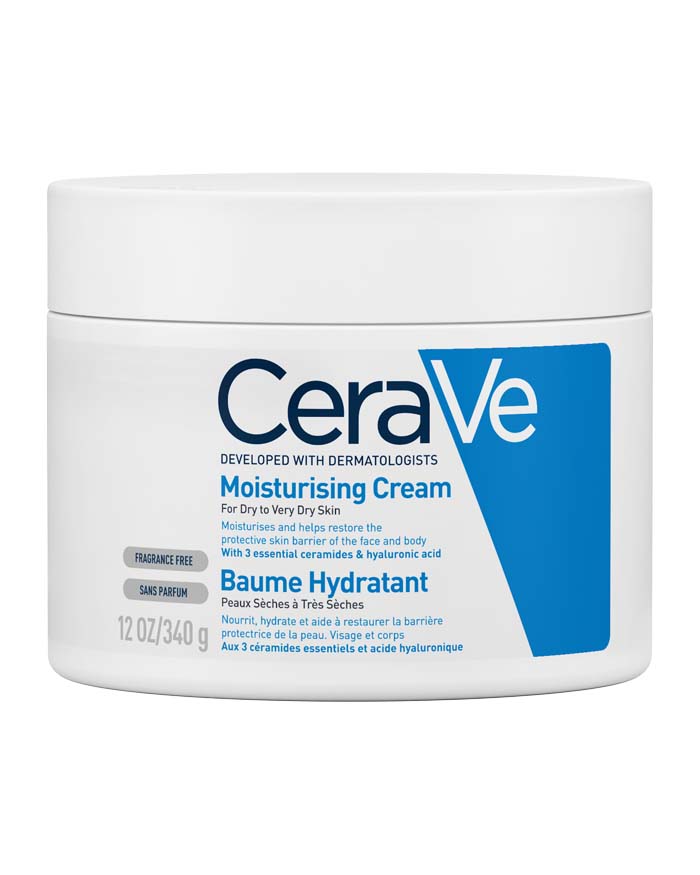
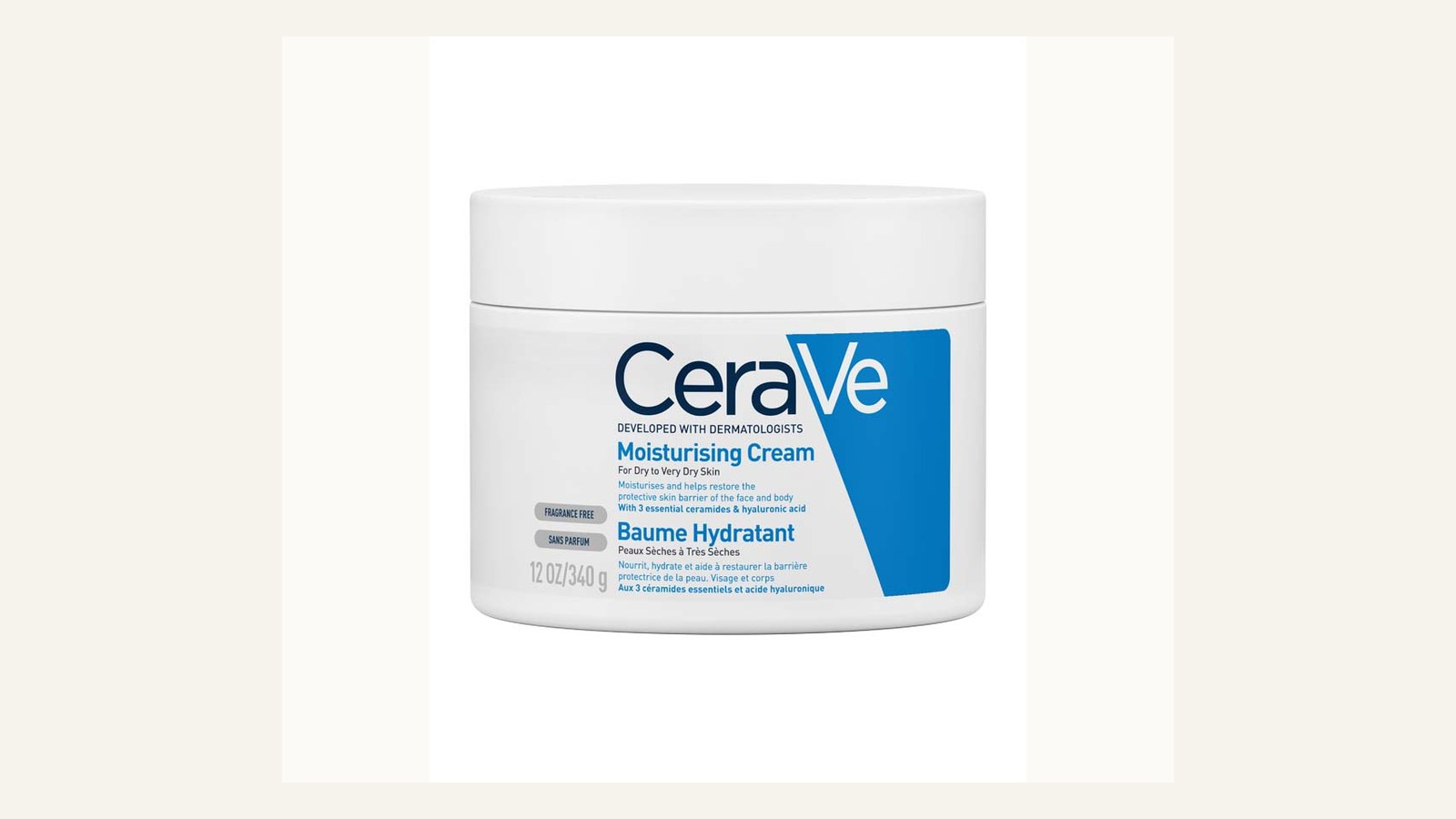
CeraVe’s UK product page describes the Moisturising Cream Pot as a rich cream for dry to very dry skin, formulated with three essential ceramides and hyaluronic acid. The same page says it is fragrance-free and non-comedogenic, with a full ingredient list that includes glycerin, petrolatum, dimethicone, ceramide NP, ceramide AP, ceramide EOP, cholesterol, and sodium hyaluronate. See the official CeraVe Moisturising Cream Pot page.
From a deal perspective, the value case is strongest when you already know you like richer creams and can use a larger pot on face, neck, hands, or body. The value case is weaker if you only want a feather-light face moisturizer. A large tub looks economical, but a sensitive-skin shopper should not buy volume just because the price per gram is low. Texture compliance matters: if you avoid using it because it feels too rich, the saving disappears.
Use this product as the “bulk moisturizer” benchmark in your basket. If a luxury cream costs several times more per ml, it needs to offer something your skin actually needs, not just prettier packaging.
The Ordinary Natural Moisturizing Factors + HA: low entry price, useful for unit-price math
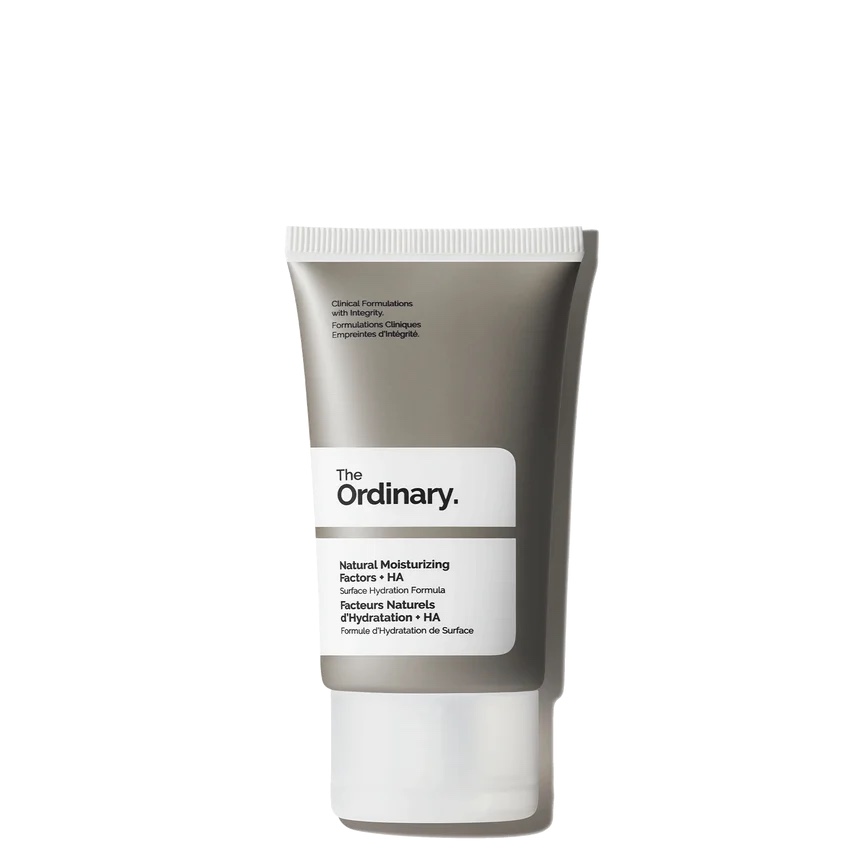
The Ordinary’s UK page lists Natural Moisturizing Factors + HA at £6.10 GBP at the time checked, with 30ml and 100ml sizes shown on the product page. The formula includes glycerin, sodium hyaluronate, amino acids, sodium PCA, urea, fatty acids, and other moisturizing components. The brand positions it as a “Seal” stage moisturizer after serums and treatments. See the official The Ordinary Natural Moisturizing Factors + HA page.
This is the kind of product where the sticker price can be helpful but incomplete. A £6.10 tube looks accessible, yet the real deal check is whether the larger size lowers the cost per ml and whether you can finish it. If you use a moisturizer twice daily, the 100ml size may make sense. If you are trying the formula for the first time, the smaller size may be the better value because it limits waste and irritation risk.
The Ordinary also advises stopping use if irritation occurs and using the product only as directed on unbroken skin. For sensitive skin, that warning is part of the value calculation. A smaller first purchase can be smarter than a discounted multi-buy if your skin has not met the formula before.
La Roche-Posay Toleriane Double Repair: subscription savings need a usage check
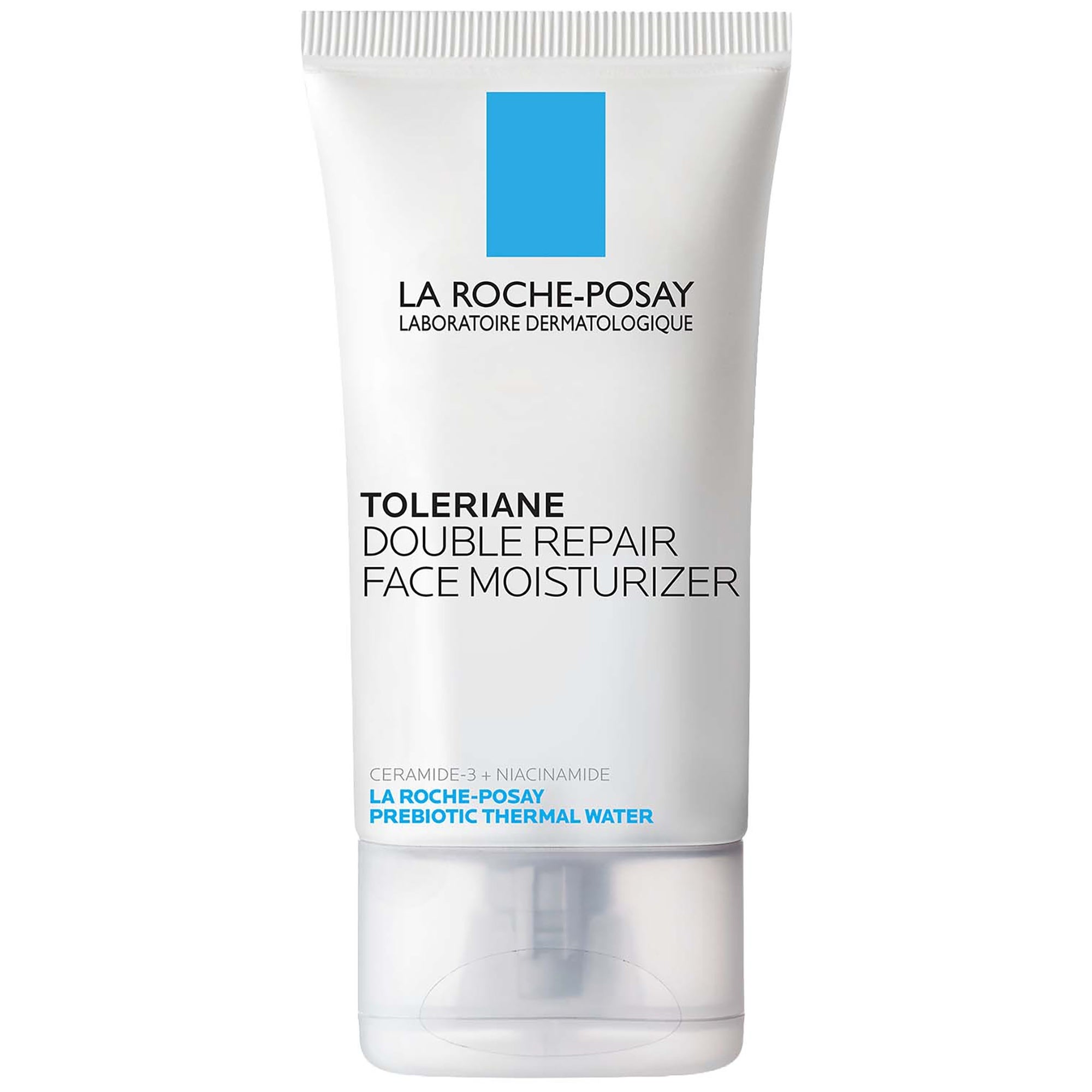
La Roche-Posay’s US product page for Toleriane Double Repair Face Moisturizer lists the 100ml size at $24.99 at the time checked and describes the formula as including ceramide-3, niacinamide, glycerin, squalane, and La Roche-Posay Prebiotic Thermal Water. It is positioned for sensitive skin, and the page notes subscription savings of up to 15%. See the official La Roche-Posay Toleriane Double Repair Face Moisturizer page.
This product is a good example of a deal that requires calendar math. A subscription can be sensible when a moisturizer is already a repeat purchase and the delivery interval matches your real use. It is poor value when the next bottle arrives before you finish the first, or when you forget to cancel a formula your skin did not like.
For UK shoppers, use the product example to understand the method rather than relying on the US price. Check the UK retailer’s current price, delivery cost, discount code, return terms, and whether a multi-buy locks you into more product than you need.
How to calculate price per use without overthinking it
A quick skincare value check does not need a spreadsheet. Use this formula:
Price per ml or gram = final checkout price ÷ product size.
Then add a routine reality check:
Practical value = unit price × likelihood you will finish it without irritation.
For a cleanser or moisturizer you use daily, a lower unit price can be meaningful. For a retinoid, acid, vitamin C, or peel, lower unit price matters less because sensitive skin often uses those products slowly. A bargain active can expire before you finish it, or encourage overuse because you feel you bought “extra.”
If you are shopping for barrier repair, read our barrier repair skincare guide before buying a large size. If you are tempted by an active-led bundle, compare it with our beginner retinoids for sensitive skin so the discount does not push your routine faster than your skin can tolerate.
Deal signals that are genuinely useful
The best savings signals are the ones that reduce real cost without increasing skin risk.
A larger size can be useful when it is a formula you already use, especially a cleanser, simple moisturizer, or body cream. A refill can be useful when the pump or jar is durable and the refill price is lower per ml. A retailer gift-with-purchase can be useful when the free item is a small version of something you already planned to try. A subscription can be useful when the first order discount does not hide a renewal schedule you will forget.
The weak signals are louder: countdown banners, “limited time” pressure, bundles built around one good product and two routine fillers, or discounts that vanish once shipping is added. For sensitive skin, a deal also loses value if the retailer will not accept returns on unopened products, does not show the ingredient list, or does not make expiry and batch information clear.
Bundle quality: when the extra products are not free
Bundles are where skincare value often becomes confusing. A barrier bundle may include a cleanser, moisturizer, serum, and mask. That can be helpful if each product has a clear routine role. It becomes wasteful when the bundle adds multiple new variables at once.
For sensitive skin, the safer bundle has one new product and one known product. For example, if you already use the moisturizer, a bundle with a matching gentle cleanser may be reasonable. A bundle with a retinoid, acid toner, fragranced mist, and exfoliating mask is harder to judge because irritation could come from any one of them.
Before buying a set, write the routine role beside each item:
- Cleanser: removes sunscreen and daily residue without stripping.
- Moisturizer: supports comfort and barrier feel.
- SPF: protects daytime skin.
- Active: targets a specific concern, used slowly.
- Mask or mist: optional, not essential.
If two or more items are optional, the bundle discount needs to be very strong to beat buying the one product you actually need. For texture-related decisions, our skincare texture guide can help you avoid buying a product that sounds right on ingredients but feels wrong on skin.
Return policy, expiry, and packaging are part of value
A product with a slightly higher price can be the better buy if the retailer gives clear return terms, reliable delivery, and product freshness. This is especially true for sensitive skin because the first use is not the only risk. Irritation can appear after repeat exposure, seasonal dryness can change how a product feels, and packaging can affect whether you use the right amount.
Airless pumps and tubes can be tidier for face creams, while large jars may be better for body or family use if hygiene is handled sensibly. Travel sizes are not always good value per ml, but they can be smart when you are checking tolerance or building a gift. If you are buying for someone else, our skincare gifts for sensitive skin has a simpler rule: choose gentle, low-risk products over dramatic actives.
Buy now, wait, or skip: the practical decision tree
Buy now when the product is already part of your routine, the current unit price beats the normal size, and the product is a boring essential you will finish. This usually applies to cleansers, moisturizers, barrier creams, and sunscreen.
Wait when the discount is modest, the product is new to you, the deal requires a bundle, or the active ingredient is something your skin needs to approach slowly. Waiting is also sensible when the retailer repeats similar discounts every few weeks.
Skip when the deal hides the ingredient list, uses unclear “sensitive” claims, depends on a subscription you do not want, or pushes you into several new products at once. A skipped deal can be a win if it protects your barrier and your budget.
FAQ
What is a good skincare deal for sensitive skin?
A good deal lowers the real cost of a product that already fits your routine. For sensitive skin, that usually means a fragrance-free cleanser, moisturizer, sunscreen, or barrier-support product with a clear ingredient list and a texture you will use consistently.
Is price per ml more important than the discount percentage?
Yes, for most skincare purchases. A 40% discount can still be expensive if the original price was inflated or the product is small. Compare final checkout price per ml or gram, including delivery, then decide whether you will finish the product.
Should I buy skincare bundles for sensitive skin?
Only when each item has a clear routine role. Bundles are risky when they add several new actives or fragranced extras at once. A smaller discount on one useful product often beats a larger discount on a set you will not finish.
Are subscriptions worth it for moisturizers?
They can be worth it for a product you already use daily, but only if the delivery interval matches your usage. Check renewal price, cancellation rules, shipping, and whether the first-order discount disappears later.
How many new discounted products should I try at once?
One at a time is the safer rule for reactive skin. If your skin becomes irritated, you need to know which product caused the problem. Multiple new products make that hard and can turn a discount haul into wasted money.
Title Candidates
- Skincare Deal Value Check: When a Sensitive-Skin Offer Is Actually Worth Buying
- Before You Buy the Skincare Sale: 7 Checks for Sensitive Skin Value
- The £6 Moisturizer Trap: How to Judge Skincare Deals by Real Use
- Sensitive Skin, Smart Basket: A Practical Guide to Skincare Deal Value
- Stop Buying Discount Skincare You Will Not Finish
Sources
- CeraVe UK: Moisturising Cream Pot
- The Ordinary UK: Natural Moisturizing Factors + HA
- La Roche-Posay US: Toleriane Double Repair Face Moisturizer
- FDA: Fragrances in Cosmetics
- National Eczema Association: Moisturizing for Eczema
- NHS: Atopic eczema
Affiliate disclosure: Raybould Marketing may earn a commission if you click a retailer link and buy. Our recommendations are based on ingredient evidence, routine fit, texture, irritation risk, and value checks. Read more on our about page and editorial policy.