If your face feels tight after washing, stings when you apply moisturiser, or turns red every time you try a new serum, the problem is probably not that your routine is too basic. It may be that it is not basic enough.
A simple skincare routine for sensitive skin should do four jobs before it tries to do anything more ambitious: clean without stripping, replace comfort, protect from UV exposure, and introduce treatments slowly. That is the whole thesis of this guide. The right routine is not the one with the most steps; it is the one your skin can repeat without becoming more reactive.
Raybould Marketing uses source-backed skincare guidance and transparent affiliate disclosure. You can read how we work on our editorial policy page, and learn more about the site on About Raybould Marketing.
How to Build a Simple Skincare Routine for Sensitive Skin
A sensitive-skin routine should start with the lowest-risk structure: cleanser, moisturiser, sunscreen, and one optional treatment. That does not mean every person needs the same products. It means every product needs a clear job.
The NHS explains that emollients are moisturising treatments that soothe and hydrate skin by forming a protective film to trap moisture, and notes that ordinary soaps and shower gels can dry the skin and worsen dry or itchy conditions (NHS emollients guidance). The National Eczema Association also treats regular moisturising as an important routine habit for eczema-prone skin (NEA moisturising guidance). Even if you do not have eczema, the practical lesson is useful: keep the barrier comfortable before chasing glow, pores, pigmentation, or fast resurfacing.
For most shoppers, the decision order should be:
| Routine step | What it should do | Sensitive-skin fit signal | Skip or change if |
|---|---|---|---|
| Cleanser | Remove sunscreen, makeup, sweat, and daily buildup | Skin feels clean but not squeaky or tight | Your face burns, flakes, or feels tight after rinsing |
| Moisturiser | Reduce dryness and support comfort | Skin stays flexible for several hours | It pills, clogs, or leaves you greasy enough to skip SPF |
| SPF | Protect exposed skin during the day | You can apply enough without avoiding it | It stings eyes, pills, or feels too heavy to use daily |
| Optional treatment | Address one concern at a time | No new irritation after 2-3 weeks | You are already red, peeling, or testing other actives |
That table is the buying filter. If a product does not improve one of those four jobs, it should not enter the first version of the routine.
Step 1: Choose a Cleanser That Does Less Damage
Cleansing is where many sensitive routines go wrong. A cleanser can be technically effective and still be a poor fit if it leaves your skin tight, shiny, hot, or unusually thirsty for moisturiser. For a barrier-first routine, the aim is not a dramatic foam. The aim is enough cleansing with minimal disruption.
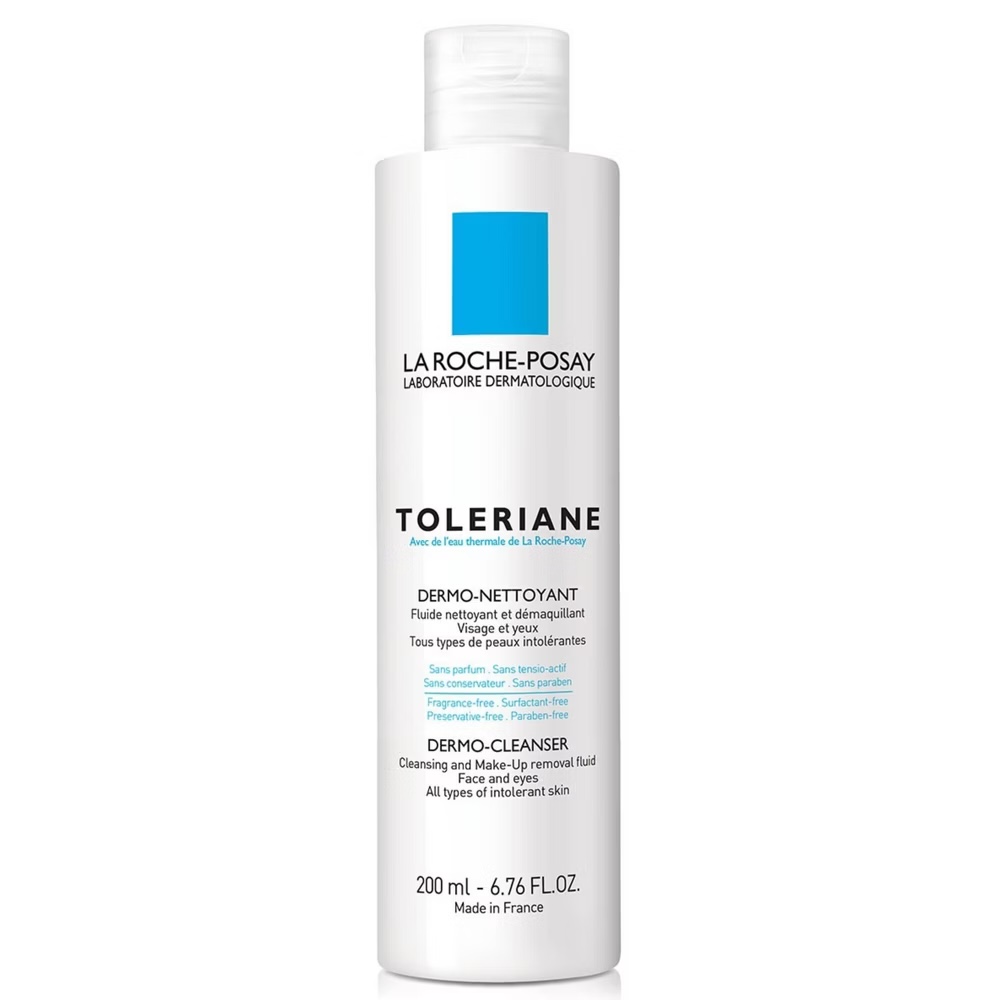
La Roche-Posay Toleriane Dermo-Cleanser is a useful reference point for this category because the brand positions it as a daily make-up remover and facial cleanser for sensitive to dry, sensitive skin on its official Swiss product page (La Roche-Posay Toleriane Dermo-Cleanser). It is the sort of product to consider if your skin dislikes foaming gels or if your evening cleanse currently leaves your cheeks feeling tight.
The fit test is simple: after cleansing and patting dry, wait one minute before applying moisturiser. If your skin already feels uncomfortable, the cleanser is probably too aggressive for your current barrier. If it feels calm but still clean enough to remove the day, you are closer.
For heavy sunscreen or makeup, some shoppers prefer a two-step evening cleanse. Sensitive skin can still do that, but both steps need to be gentle. A cleansing balm followed by a soft cream cleanser is usually more sensible than micellar water plus a stripping foam plus a towel scrub.
Step 2: Pick a Moisturiser by Barrier Need, Not Hype
Moisturiser is the centre of a sensitive-skin routine because it affects how well you tolerate everything else. If your moisturiser is too light, your skin may feel tight by lunch. If it is too rich, you may avoid sunscreen or assume every product is breaking you out.
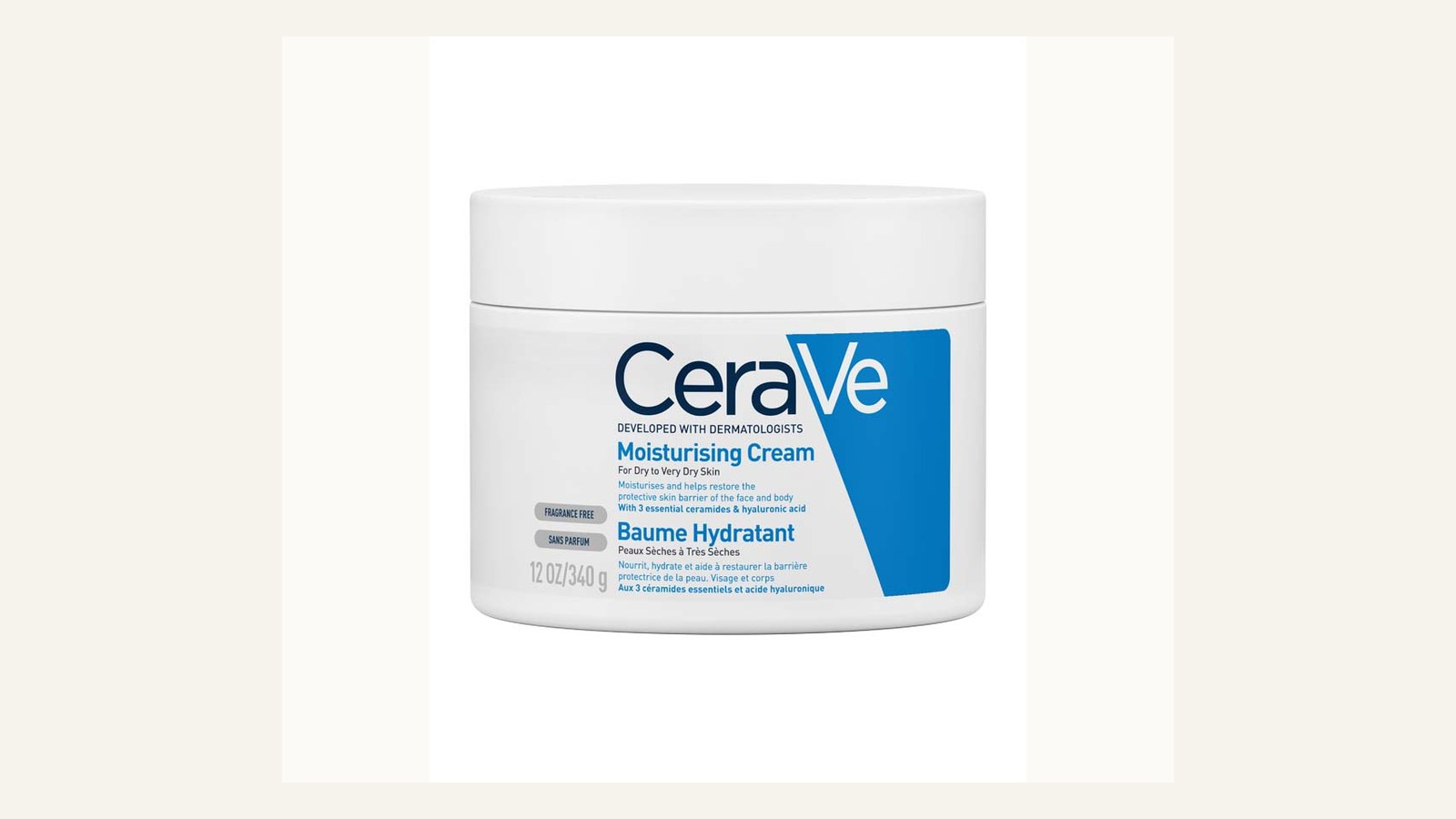
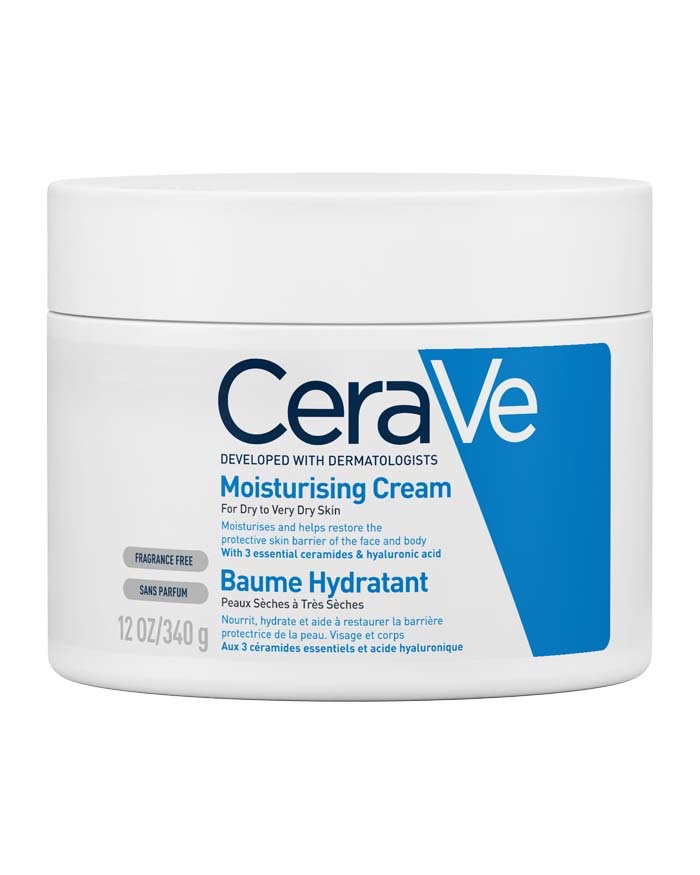
CeraVe Moisturising Cream is a common barrier-supportive reference because public retail information highlights three essential ceramides and hyaluronic acid for dry to very dry skin. Ceramides matter in routine logic because the skin barrier is lipid-rich; when the barrier feels compromised, many shoppers do better with moisturisers built around humectants, emollients, and barrier-supportive lipids rather than a long list of strong actives.
A richer cream makes sense when your skin is dry, tight after washing, or recovering from over-exfoliation. A lighter cream or lotion makes more sense if you dislike residue, wear makeup, or live in a humid climate. If you are stuck between them, use texture as the tie-breaker: the product you will actually apply twice a day is more useful than the richer product you keep avoiding.
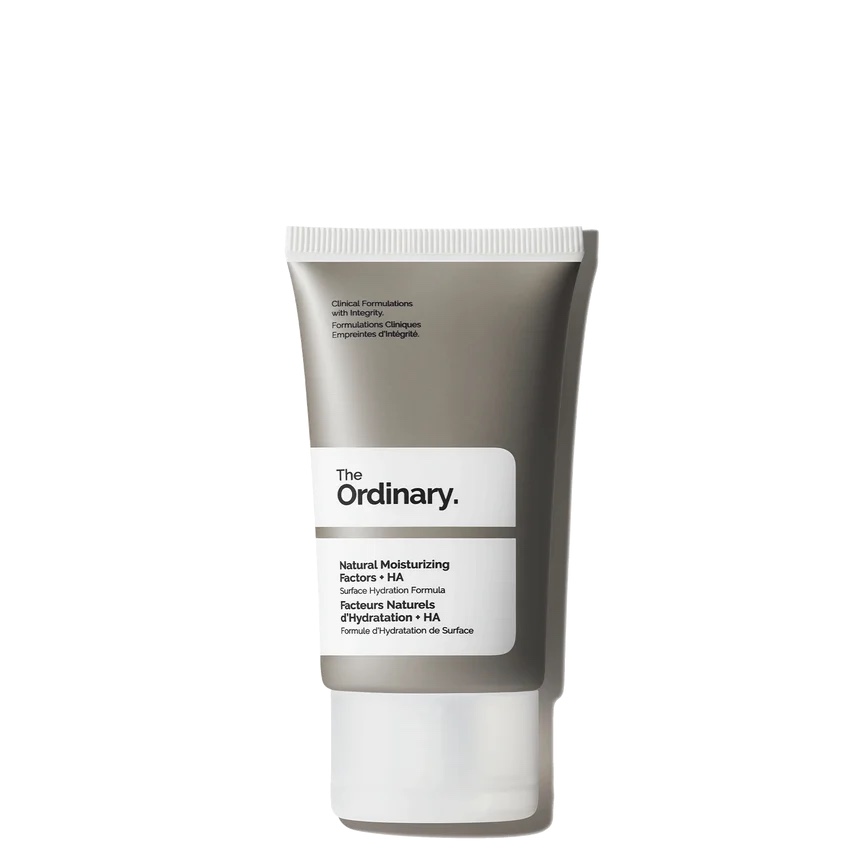
The Ordinary Natural Moisturising Factors + HA is a different reference point. Escentual’s product page describes it as an oil-free hydrating moisturiser with hyaluronic acid, amino acids, fatty acids, urea, phospholipids, triglycerides, and glycerin (The Ordinary Natural Moisturising Factors + HA). That ingredient profile fits shoppers who want a straightforward moisturiser but dislike very occlusive creams.
If you are comparing moisturisers, do not ask which one is universally better. Ask which one solves your current failure point:
- Tight after cleansing: consider a richer cream or use moisturiser on slightly damp skin.
- Greasy by midday: try a lighter lotion and keep the richer cream for night.
- Stinging with every product: pause strong actives and simplify before switching everything.
- Flaking from retinoids or acids: read our beginner retinoids for sensitive skin guide before increasing frequency.
For a deeper product shortlist, use our barrier repair skincare picks after you know whether your routine needs a cream, balm, or lighter daily moisturiser.
Step 3: Treat SPF as a Daily Routine Step, Not an Add-On
Sunscreen is the step many simple routines lose because it feels like another product layered on top of an already fussy face. For sensitive skin, the right SPF is the one you can apply generously and repeat without eye sting, pilling, or dread.
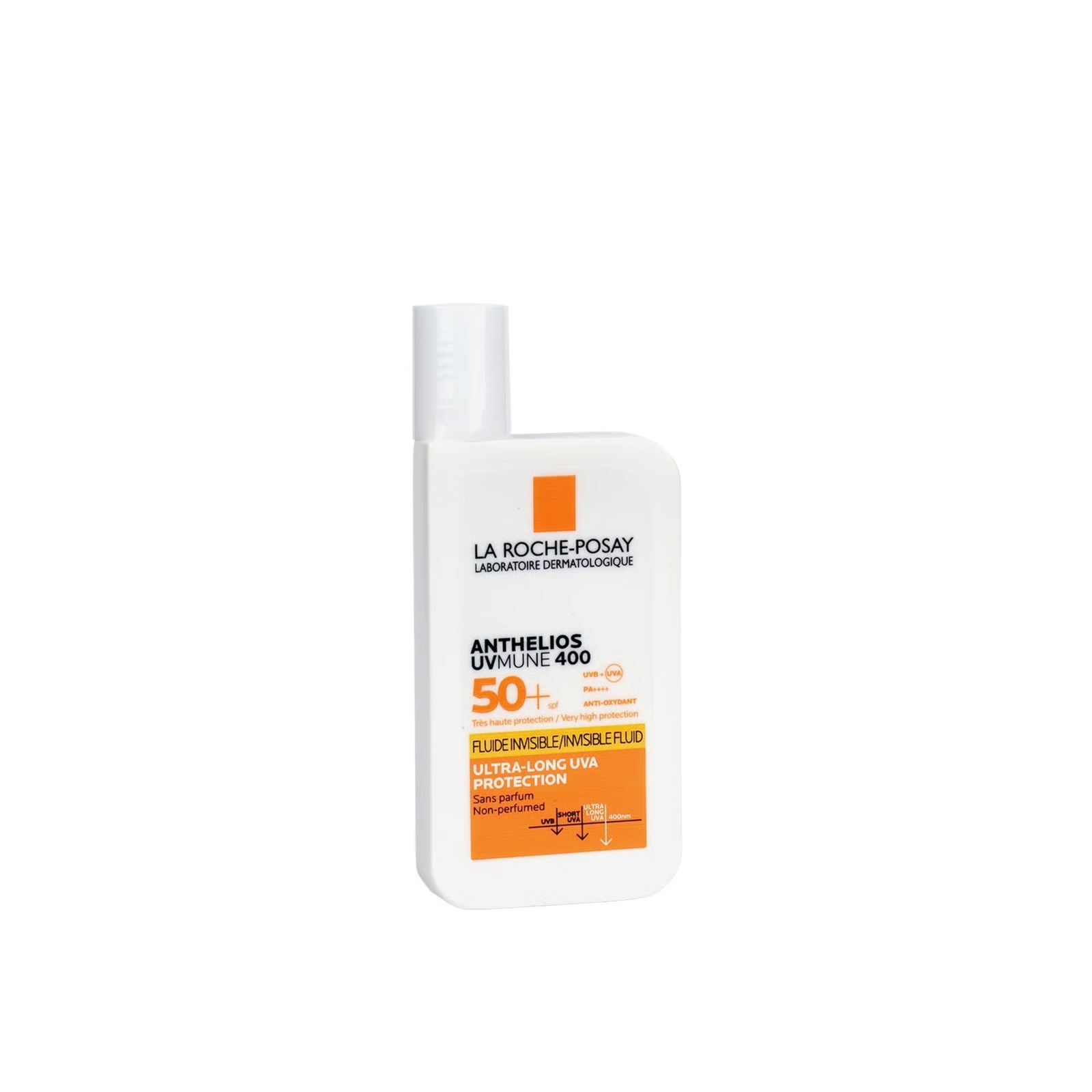
La Roche-Posay Anthelios UVMune 400 Invisible Fluid SPF50+ is a useful comparison product because recent UK beauty coverage describes it as a lightweight SPF50+ fluid with broad-spectrum positioning and an invisible finish, including discussion of its use across skin tones and under makeup (Who What Wear UK review). This does not mean every sensitive-skin shopper should choose that exact formula. It does show the texture category many people are looking for: light enough to use daily, protective enough to justify its routine slot.
The fit guide:
| If your skin is... | Start with this SPF texture | Watch for |
|---|---|---|
| Dry and tight | Cream or hydrating fluid | Pilling over moisturiser |
| Oily but reactive | Lightweight fluid or gel-cream | Alcohol feel, eye sting, fragrance |
| Deeper skin tone | Invisible or tinted finish | White cast from mineral-heavy formulas |
| Makeup-wearing | Thin fluid | Separation, rolling, shine |
| Very reactive | Fragrance-free sensitive-skin positioning | Stinging around eyes or broken areas |
SPF should usually be the final morning skincare step before makeup. If your SPF pills, do not immediately blame the sunscreen. Try less moisturiser underneath, wait a few minutes between layers, and avoid rubbing aggressively.
Step 4: Add One Treatment Only After the Base Routine Feels Boring
A routine is ready for treatment when it feels boring for at least two weeks: no new stinging, no new flakes, no sudden tightness, no mystery redness. That boring phase is valuable. It gives you a baseline, so you can tell whether a new product is helping or irritating.
For sensitive skin, the safest treatment logic is one concern at a time:
| Concern | Gentle first move | Avoid at first |
|---|---|---|
| Barrier discomfort | Ceramides, glycerin, panthenol, squalane-style support | Exfoliating acids several nights a week |
| Uneven tone | Niacinamide or low-strength brightening support | Stacking vitamin C, acids, and retinoids together |
| Texture | Slow retinoid introduction or mild exfoliation | Scrubs and daily acid toners |
| Dry dullness | Better moisturiser use and SPF consistency | Buying multiple serums before fixing dryness |
If you are deciding between barrier ingredients, our niacinamide vs ceramides comparison explains which one to try first. If your concern is roughness or dull feel, pair this page with our skincare texture guide before buying an exfoliant.
The mistake is not using active ingredients. The mistake is using them before your cleanser, moisturiser, and SPF are stable enough to support them.
A Practical Morning and Evening Routine
For most sensitive-skin shoppers, the first version can look like this:
Morning:
- Rinse with water or use a gentle cleanser if you wake up oily.
- Apply moisturiser while skin is slightly damp if dryness is an issue.
- Apply SPF as the final skincare step.
- Keep makeup optional and watch for pilling.
Evening:
- Cleanse gently to remove SPF, makeup, sweat, and daily buildup.
- Apply moisturiser.
- Use one optional treatment only on planned nights.
- If skin feels reactive, skip treatment and moisturise.
Do not change all products at once. If you are replacing a thin routine, start with cleanser and moisturiser. Once those feel reliable, add SPF. Once SPF feels reliable, consider treatment. That sequence is slower, but it produces clearer evidence.
Product Fit Notes: Which Step Should You Upgrade First?
Upgrade your cleanser first if your skin feels tight immediately after washing. A better moisturiser can help, but it should not have to rescue your skin from an irritating cleanse twice a day.
Upgrade your moisturiser first if skin feels tight several hours after applying product, if flakes appear around the nose or mouth, or if actives that used to be fine now feel sharp.
Upgrade your SPF first if you skip it because the texture is unpleasant. A technically strong SPF that sits unused is not doing routine work.
Upgrade your treatment last. Retinoids, acids, and stronger brightening products are easier to judge once the base routine is stable. For value checks before buying more than one product, use our skincare deal value guide.
Common Mistakes That Keep Sensitive Skin Reactive
The first mistake is treating redness as a product shortage. Sometimes redness is a signal to remove steps, not add calming serums.
The second mistake is buying duplicates. A hydrating serum, a gel moisturiser, and a barrier cream may all be trying to solve dryness. Pick the texture and ingredient mix that you will use consistently.
The third mistake is using “for sensitive skin” as a guarantee. It is a useful shopping signal, not a promise. Patch-test new products, introduce them slowly, and stop if stinging or rash persists.
The fourth mistake is separating routine from budget. A £10 product used correctly can beat a £60 product that irritates you or sits unused. Price-per-use matters more than shelf appeal.
FAQ
What is the simplest skincare routine for sensitive skin?
Start with three daily jobs: gentle cleanse, moisturise, and SPF in the morning. At night, cleanse and moisturise. Add one treatment only after the base routine feels calm for at least two weeks.
Should sensitive skin use cleanser every morning?
Not always. If your skin wakes up dry or tight, a water rinse may be enough. If you wake up oily, sweaty, or with heavy night product residue, use a gentle cleanser that does not leave tightness.
Is a barrier cream better than a lightweight moisturiser?
It depends on your failure point. Barrier creams suit dry, tight, over-exfoliated skin. Lightweight moisturisers suit people who dislike residue, layer makeup, or get congested from rich textures.
When should I add retinol to a sensitive-skin routine?
Add retinol only when cleanser, moisturiser, and SPF are stable. Begin slowly, avoid using exfoliating acids on the same nights, and pause if irritation builds. Our retinoid starter guide gives a slower decision path.
How many products are too many for sensitive skin?
There is no perfect number, but every product needs a job. If two products do the same thing, or if you cannot tell what caused irritation, the routine is probably too crowded.
Title Candidates
- Simple Skincare Routine for Sensitive Skin: A 4-Step Barrier-First Fit Guide
- The Sensitive-Skin Routine That Starts With Fewer Products
- Build a Calm Skincare Routine Before Buying Another Serum
- 4 Routine Steps Sensitive Skin Should Get Right First
- Barrier-First Skincare Routine: Cleanser, Moisturiser, SPF, Then Treatment
Sources
- NHS: Emollients
- National Eczema Association: Moisturizing for Eczema
- La Roche-Posay: Toleriane Reinigungsfluid / Dermo-Cleanser
- Escentual: The Ordinary Natural Moisturising Factors + HA
- Who What Wear UK: La Roche-Posay Anthelios UVMune 400 review
Affiliate disclosure: Raybould Marketing may earn a commission if you click a retailer link and buy a product. Our recommendations are based on source review, product role, routine fit, and value signals; we do not claim first-hand testing unless clearly stated.