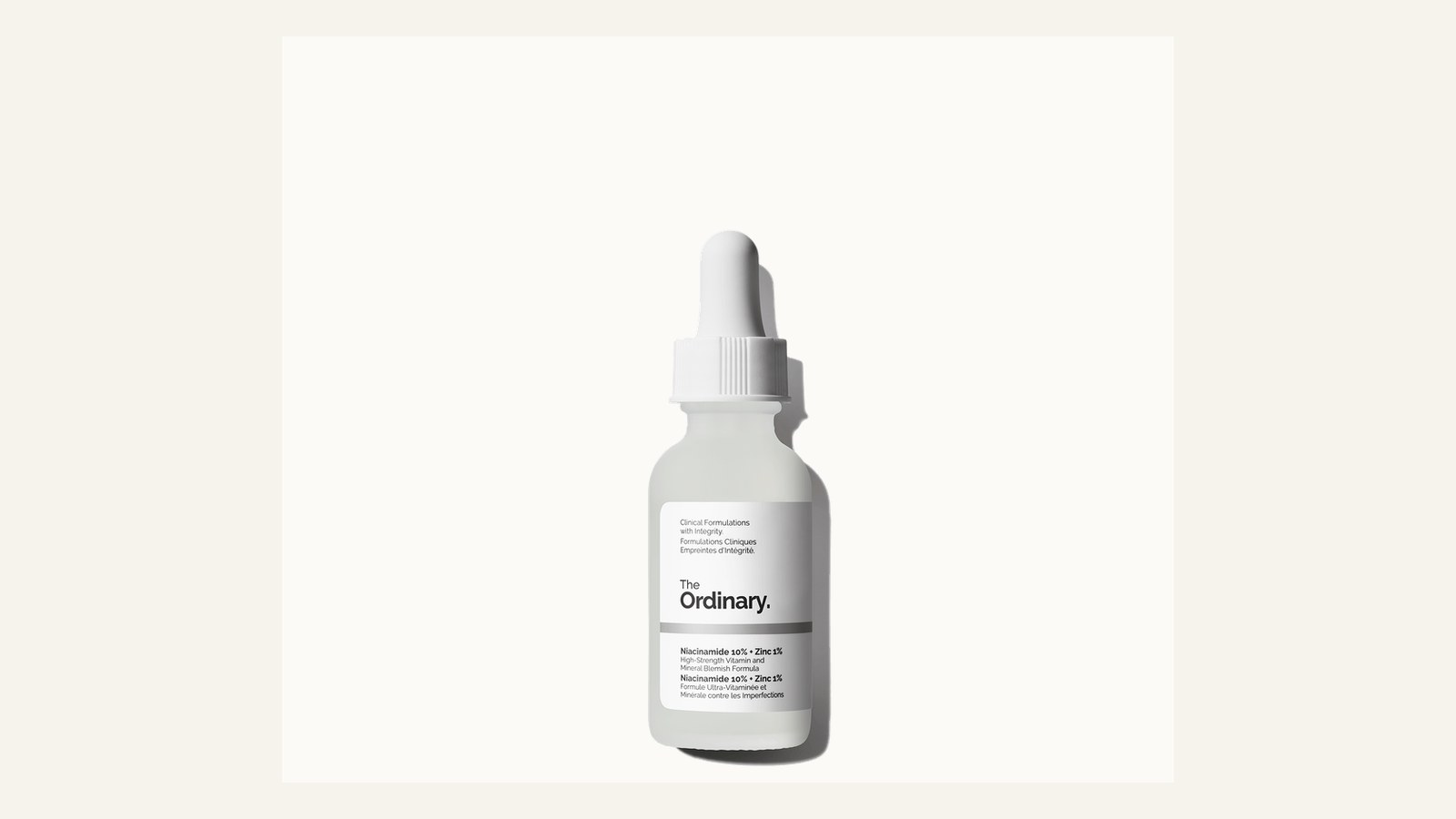
If your skin reacts to everything, buying a retinoid can feel less like skincare and more like a dare. One bottle promises smoother texture, another says retinal works faster, and the small print usually tells you to expect dryness, peeling, or an adjustment period. Sensitive skin does not make retinoids impossible, but it does change the brief: the first product should be easy to dose, easy to buffer, and gentle enough that you can stay consistent.
Our view is simple. The right beginner retinoid for sensitive skin is not the strongest one. It is the one that helps you build tolerance without wrecking the rest of your routine. That means looking at the vitamin A type, the texture, the supporting ingredients, the brand's usage guidance, and whether the formula makes sense beside a plain cleanser, moisturiser, and SPF.
This guide is based on official product information and ingredient lists, not first-hand clinical testing. Raybould Marketing may earn a commission if future retailer links are added, but our editorial criteria are independent; see our editorial policy and about page for how we evaluate skincare claims.
How We Chose Beginner Retinoids for Sensitive Skin
For this shortlist, we looked for three things. First, the product had to make sense for a cautious introduction: low starting strength, gradual use instructions, or a formula designed to soften the irritation profile. Second, it needed useful supporting ingredients, such as glycerin, ceramides, niacinamide, squalane, bisabolol, or other barrier-friendly components. Third, it needed a practical price and texture for routine use, because a retinoid you cannot tolerate or afford to use consistently is not a good buy.
We also excluded products that are mainly aimed at experienced users, aggressive peeling routines, or prescription-style treatment decisions. If your skin is currently burning, cracked, inflamed, or reacting to basic moisturiser, start with barrier repair first. Our barrier repair skincare guide is the better starting point before adding vitamin A.
Prices and product details were checked on 9 July 2026. Skincare formulas, pack sizes, promotions, and regional availability can change, so check the product packaging before use.
Quick Comparison: Which Beginner Retinoid Fits Your Routine?
| Product | Best for | Retinoid type | Texture | Barrier support | Watch-outs |
|---|---|---|---|---|---|
| The INKEY List Starter Retinol Serum | Lowest-friction first try | Granactive retinoid complex plus low-level retinal | Silky serum | Squalane, lipid complex, soothing ingredients | Still introduce slowly; avoid layering with acids |
| CeraVe Resurfacing Retinol Serum | Post-blemish marks with barrier support | Encapsulated retinol | Lightweight serum | Ceramides, niacinamide, hyaluronic acid | Contains alcohol; patch test if very reactive |
| The Ordinary Granactive Retinoid 2% Emulsion | Budget routine with a creamy serum feel | Hydroxypinacolone retinoate plus retinol | Creamy emulsion | Glycerin, emollients, Tasmanian pepperberry derivative | Must be refrigerated after opening; avoid during pregnancy/breastfeeding |
1. The INKEY List Starter Retinol Serum
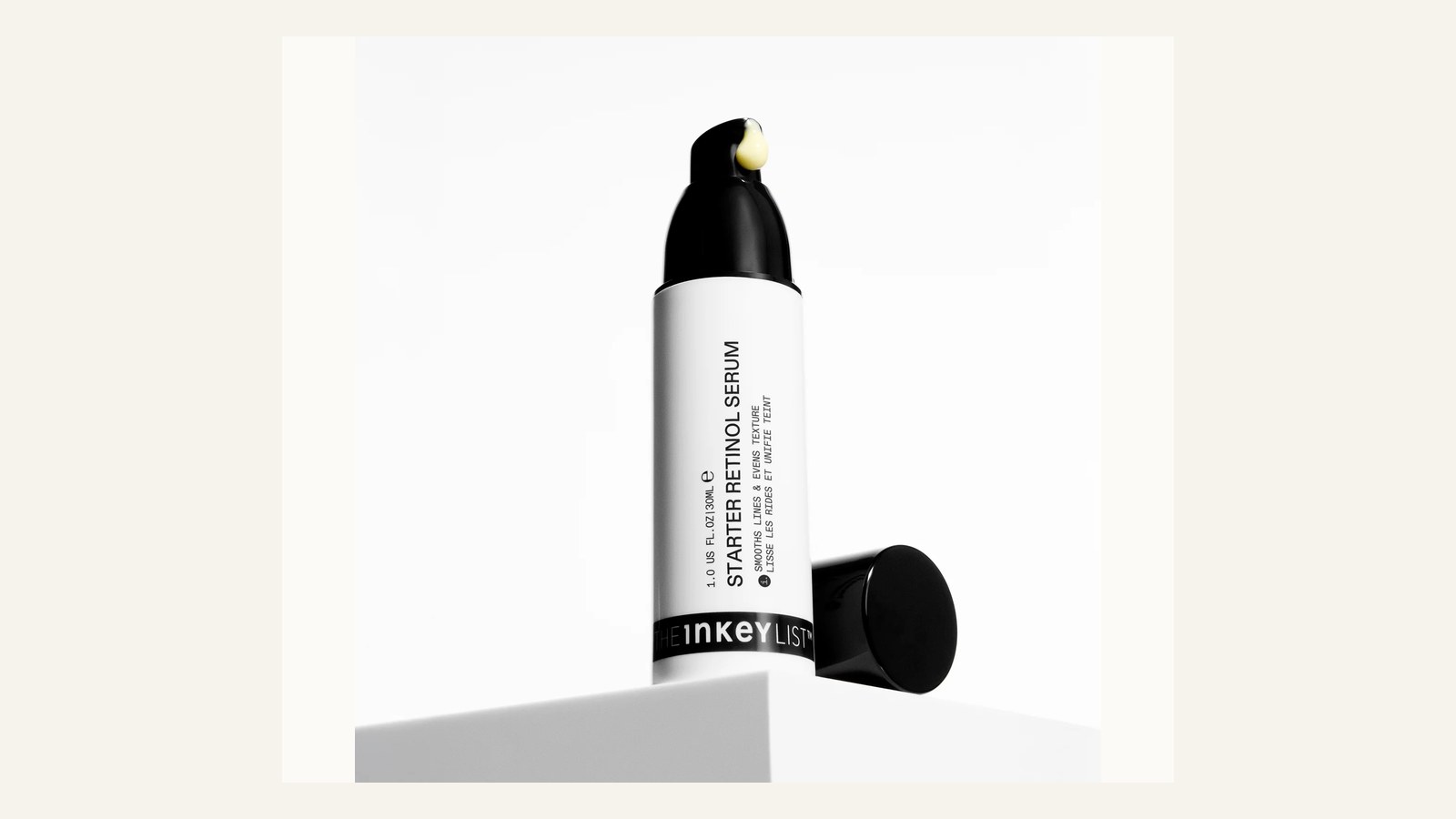
The INKEY List Starter Retinol Serum is the easiest first pick if your main fear is irritation. The official product page positions it for retinol beginners, sensitive skin, and rosacea-prone skin, with instructions to use it at night two to three times a week to start. It uses a slow-release retinoid approach rather than asking beginners to jump straight into a high-strength product.
The formula includes a Dual-Retinoid complex with 1% Granactive Pro+ and 0.01% retinal, plus a lipid-supporting complex and soothing ingredients. That matters for sensitive skin because the product is not relying on vitamin A alone. It is trying to make the step easier to keep in a basic routine: cleanse, apply a small amount, moisturise, and use SPF the next morning.
Texture is also part of the value. A silky serum is easier to spread thinly than a thick cream, which helps prevent over-application. For most first-time users, the right amount is less than instinct suggests. If you already use active acids, strong vitamin C, or exfoliating toners, do not stack them on the same night. Use this on its own with moisturiser until you know your tolerance.
Best fit: sensitive-skin beginners who want the most cautious entry point and clear usage guidance.
Skip if: you want a stronger retinal product immediately, or your skin barrier is already compromised.
Source: The INKEY List Starter Retinol Serum
2. CeraVe Resurfacing Retinol Serum
CeraVe Resurfacing Retinol Serum is the most barrier-aware pick for people whose sensitive skin is also blemish-prone or dealing with post-blemish marks. The official product page says it uses encapsulated retinol with licorice root extract, three essential ceramides, niacinamide, and sodium hyaluronate. The brand describes it as lightweight, fast-absorbing, non-comedogenic, paraben-free, and free of added fragrance.
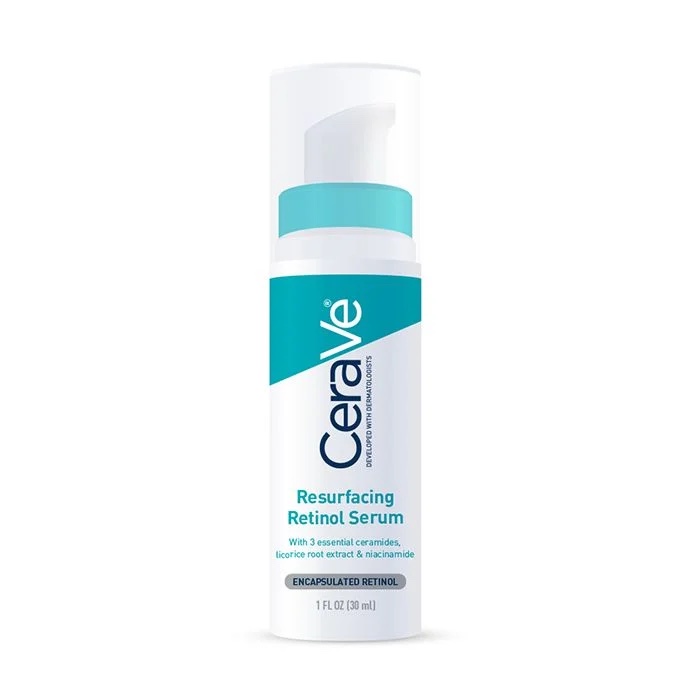
The useful part here is the supporting structure. Ceramides help the routine stay barrier-focused, niacinamide can be calming for many people, and a lightweight serum is less likely to feel smothering than a heavy night cream. If you are trying retinoids because of uneven texture after breakouts, this is a more logical fit than a product aimed only at wrinkles.
The tradeoff is that sensitive skin is not one category. This formula includes alcohol and several functional ingredients, so very reactive skin should still patch test. Do not judge tolerance after one night. Use it once or twice a week at first, moisturise well, and watch for cumulative dryness around the nose, mouth, and cheeks.
Best fit: sensitive or blemish-prone skin that wants retinol plus ceramide support in one step.
Skip if: your skin stings with niacinamide, you dislike lightweight serum textures, or you need a retinoid-free routine during a barrier reset.
Source: CeraVe Resurfacing Retinol Serum
3. The Ordinary Granactive Retinoid 2% Emulsion
The Ordinary Granactive Retinoid 2% Emulsion is the value pick. The UK official product page lists it at £11 for 30ml and describes it as a creamy serum that targets visible signs of ageing, texture, and uneven tone. Its key ingredients include hydroxypinacolone retinoate, retinol, and a Tasmanian pepperberry derivative, with guidance to apply a few drops in the evening, avoid other retinoids, use sun protection, and refrigerate after opening.
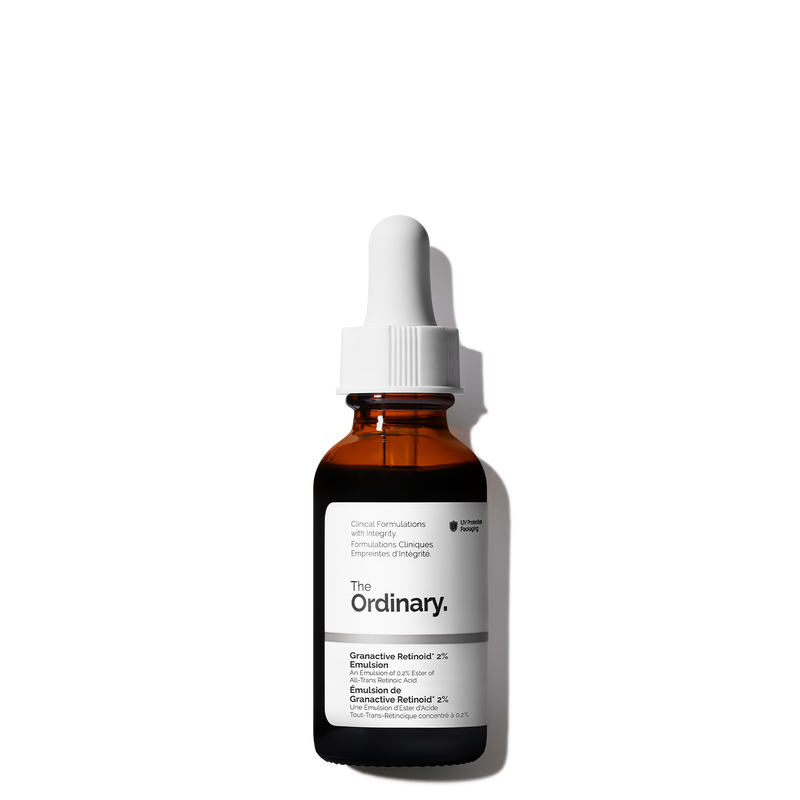
This is not the softest possible first retinoid, but it is a practical option if you want a low-cost product with a comfortable emulsion texture. The creamy feel can sit nicely between hydrating serum and moisturiser, and the price makes it easier to maintain a routine without saving the product for occasional use.
The main caution is discipline. The Ordinary's product guidance is very clear: do not combine it with other retinoids, use sun protection, and avoid retinoid products during pregnancy or breastfeeding. If you are new and sensitive, use fewer drops than you think, keep the rest of the routine plain, and avoid applying it to damp skin if that makes actives sting.
Best fit: budget-conscious shoppers who want a creamy retinoid serum and can follow storage and usage rules.
Skip if: you want the simplest beginner label, you cannot refrigerate skincare after opening, or you are pregnant or breastfeeding.
Source: The Ordinary Granactive Retinoid 2% Emulsion
How to Start a Retinoid When Your Skin Is Sensitive
The best product still fails if the routine is too aggressive. Start with one retinoid night per week for two weeks. If your skin feels normal, move to two nights per week. Stay there for at least another two weeks before increasing. Sensitive skin often responds better to consistency than speed.
Use the moisturiser sandwich method if you are nervous: moisturiser, a pea-sized amount of retinoid, then another thin layer of moisturiser. This can reduce the harsh edge of the step without removing it from the routine. If you need help building the full base routine, use our simple skincare routine builder before adding actives.
Avoid pairing a new retinoid with exfoliating acids, benzoyl peroxide, strong vitamin C, or scrubs at first. If your texture concerns are the reason you are shopping, read our skincare texture guide so you can separate roughness, dehydration, congestion, and irritation before adding more actives.
Ingredient Notes for Sensitive-Skin Shoppers
Retinol, retinal, and newer retinoid derivatives are not interchangeable in feel or strength. Retinal usually sits closer to retinoic acid in the conversion pathway, while retinol and retinoid esters may feel easier for some beginners. That does not mean one is always better. Your skin history matters more than the label.
Look for supporting ingredients that make the routine easier to tolerate. Ceramides, glycerin, squalane, niacinamide, panthenol, hyaluronic acid, and bland emollients can all help a retinoid formula feel less punishing. If ingredient names blur together, our ingredient decoder explains how to read a skincare label without treating every active as a must-have.
The biggest red flags are not always in the retinoid itself. A fragranced cleanser, daily acid toner, or under-moisturised routine can make a gentle retinol feel harsh. If your skin often reacts, compare niacinamide and ceramide roles in our niacinamide vs ceramides guide before deciding what support step to buy.
Value Check: Which One Is Worth Buying First?
Choose The INKEY List Starter Retinol Serum if you want the clearest beginner positioning and a formula built around low-and-slow tolerance. Choose CeraVe if your routine already works well with ceramides and niacinamide, and your main concern is post-blemish marks or uneven texture. Choose The Ordinary if price is the deciding factor and you are comfortable following storage instructions.
Do not buy multiple retinoids at once. Retinoids are not a category where more comparison testing helps sensitive skin. Pick one, use it slowly for at least eight to twelve weeks if tolerated, and spend the rest of your budget on cleanser, moisturiser, and SPF. For price checks, use our skincare deal value guide before being pulled into bundles.
FAQ
Are retinoids safe for sensitive skin?
They can be, but sensitive skin needs a slower introduction and a simpler routine. Start with one night per week, moisturise well, avoid exfoliating acids on the same night, and stop if burning, swelling, or persistent peeling appears. If you have eczema, rosacea flares, dermatitis, or prescription acne treatment, ask a clinician before starting.
Is retinol or retinal better for beginners?
Neither is automatically better. Retinal can be efficient, but a low-strength retinol or beginner retinoid blend may be easier to tolerate. For sensitive skin, the whole formula matters: strength, delivery system, texture, moisturising ingredients, fragrance, and how often you use it.
Should I use retinoids every night?
Not at the start. Sensitive skin usually does better with one or two nights per week. Increase only when your skin is calm. If dryness builds each time you increase frequency, stay at the lower schedule rather than chasing nightly use.
Can I use a retinoid with niacinamide or ceramides?
Usually yes, and many beginner-friendly formulas include niacinamide or ceramides for comfort and barrier support. The problem is not those ingredients; it is stacking too many actives at once. Keep acids, scrubs, and strong brightening treatments away from retinoid nights until tolerance is clear.
What should I do if my skin starts peeling?
Pause the retinoid, simplify your routine, and focus on bland moisturiser and sunscreen. Do not scrub peeling skin or add acids to “remove” flakes. Once your skin is calm, restart less often or choose a gentler product. Persistent burning, swelling, cracking, or rash needs professional advice.
Can I use retinoids while pregnant or breastfeeding?
Many brands and clinicians advise avoiding retinoid skincare during pregnancy or breastfeeding. The Ordinary explicitly advises avoiding skincare products containing retinoids in that situation. If this applies to you, choose non-retinoid barrier support and speak with a healthcare professional.
Final Verdict
For most sensitive-skin beginners, The INKEY List Starter Retinol Serum is the most cautious first buy because the positioning, strength approach, texture, and use instructions are all beginner-friendly. CeraVe is the better choice if post-blemish marks and barrier support are the main concerns. The Ordinary is the value pick if you can follow the storage and usage rules.
The smart move is not to find the strongest retinoid you can tolerate once. It is to choose a formula you can use calmly, slowly, and consistently without turning the rest of your routine into damage control.