If your face feels tight after cleansing, stings when you apply a serum, or turns red after a product that looked harmless online, the problem is often not one "bad" ingredient. It is usually the way ingredients are grouped, layered, and matched to your skin barrier.
This ingredient decoder for sensitive skin is designed for shoppers, not chemists. The goal is simple: read a skincare label well enough to decide whether a product is worth trying, where it fits in your routine, and what it might replace. Raybould Marketing uses a transparent editorial approach; you can read more about our review standards on our editorial policy and who we are on our about page.
The practical rule is this: judge ingredients by job, texture, and irritation risk before you judge them by trend status. A ceramide cream, a niacinamide serum, and a retinoid product can all be useful, but not all at once, not in every formula, and not on every barrier state.
Ingredient Decoder for Sensitive Skin: Start With the Job
Most skincare ingredients fit into a few working groups. Humectants pull and hold water. Emollients soften rough surface feel. Occlusives reduce water loss by forming a more protective layer. Actives such as retinoids, acids, vitamin C, or benzoyl peroxide try to change texture, tone, pores, or blemishes.
This matters because sensitive skin often reacts when a formula asks too much of the barrier at once. DermNet explains moisturizers through emollients, occlusives, and humectants, with occlusives helping reduce water loss from the outer skin layer. The American Academy of Dermatology also recommends gentle, fragrance-free products for dry, sensitive skin and applying moisturizer when skin is still damp.
When reading a label, ask: is this product mainly hydrating, sealing, soothing, exfoliating, brightening, or treating breakouts? If the answer is "all of them," be cautious. Multi-active formulas can be useful, but sensitive skin usually does better when each routine step has one clear job.
For a routine-level view, pair this guide with our simple skincare routine builder. If your main concern is damaged-feeling skin, our barrier repair skincare guide explains how to choose a focused support product.
Hydrators: Glycerin, Hyaluronic Acid, Sodium PCA, and Urea
Hydrators are often the safest starting point because they help the outer layer feel more comfortable without forcing turnover. Glycerin is a reliable humectant and appears in many moisturizers because it helps hold water. Hyaluronic acid and sodium hyaluronate are also water-binding ingredients, though the final feel depends heavily on the full formula.
Urea is more nuanced. At lower levels, it can support hydration; at higher or more active levels, it may sting compromised skin. DermNet notes that urea and other acidic preparations can sting when applied to scratched or fissured skin. That does not make urea bad. It means the barrier state matters.
A useful label clue: if a product leads with water, glycerin, and a simple cream base, it is probably built for comfort. If it combines hydrators with acids, retinoids, strong vitamin C, or multiple exfoliants, treat it as an active product rather than a basic moisturizer.
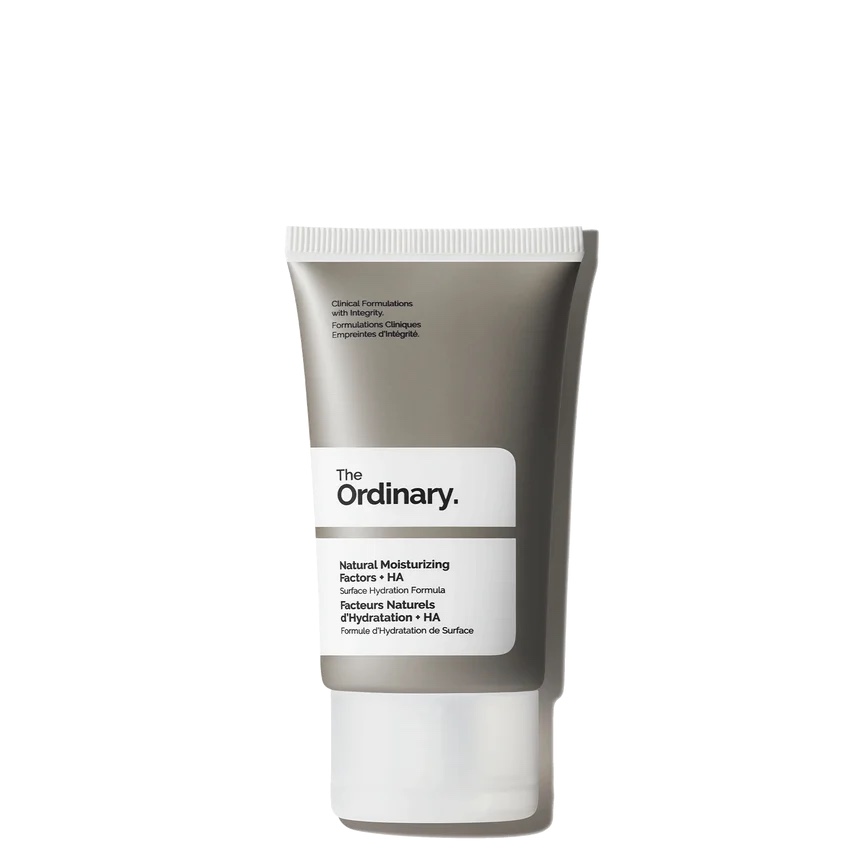
The Ordinary's Natural Moisturizing Factors + HA is a useful example of a hydrator-led moisturizer. Its official ingredient list includes glycerin, sodium hyaluronate, amino acids, sodium PCA, urea, and other NMF-style components. The brand also advises patch testing and stopping use if irritation occurs, which is sensible for sensitive-skin shoppers.
Barrier Lipids: Ceramides, Cholesterol, and Fatty Acids
Ceramides are often discussed as if they are magic repair ingredients. The better way to read them is as barrier-context ingredients. The skin barrier naturally depends on a lipid structure, and moisturizer formulas often use ceramides, cholesterol, fatty acids, or related lipids to support a more comfortable, less dry feel.
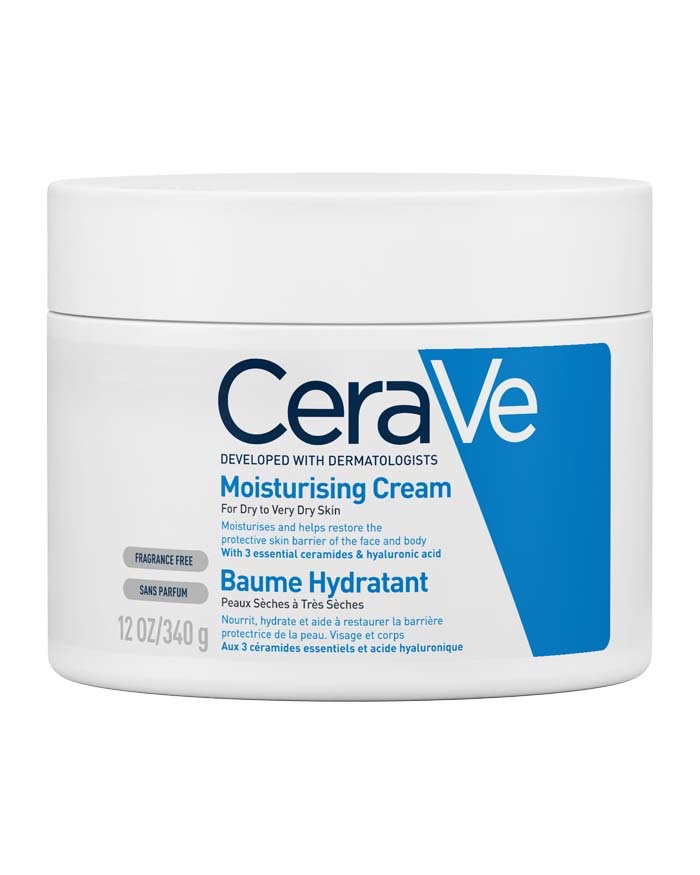
CeraVe's Moisturising Cream is a clear label example: the official page lists ceramide NP, ceramide AP, ceramide EOP, cholesterol, hyaluronic acid, petrolatum, dimethicone, and glycerin. That combination tells you it is not just a "ceramide product"; it is a cream that hydrates, softens, and seals.
For sensitive skin, barrier lipids are usually more useful in a moisturizer than in a high-strength active serum. They are especially relevant if your skin feels tight after washing, looks flaky around the nose or mouth, or becomes less tolerant of actives.
If you are deciding between barrier ingredients, our niacinamide vs ceramides comparison breaks down when each direction makes more sense.
Occlusives: Petrolatum, Dimethicone, Mineral Oil, and Shea Butter
Occlusives are misunderstood because people often associate them with heaviness. Their real role is water-loss control. DermNet lists petrolatum, paraffin, mineral oil, and dimethicone as occlusive examples, and describes ointments as more occlusive than creams and lotions.
For sensitive or over-exfoliated skin, an occlusive can be useful at night or on dry patches. For oily, acne-prone, or makeup-heavy routines, the same ingredient group may feel too heavy. That is a texture issue, not a moral issue.
Read the format. A balm or ointment is likely to feel richer and sit longer on the skin. A cream may balance comfort and wearability. A lotion or gel-cream may suit daytime use but may not be enough for very dry areas. If you struggle with heaviness, our skincare texture guide can help match product feel to skin behavior.
Niacinamide: Useful, but Concentration and Context Matter
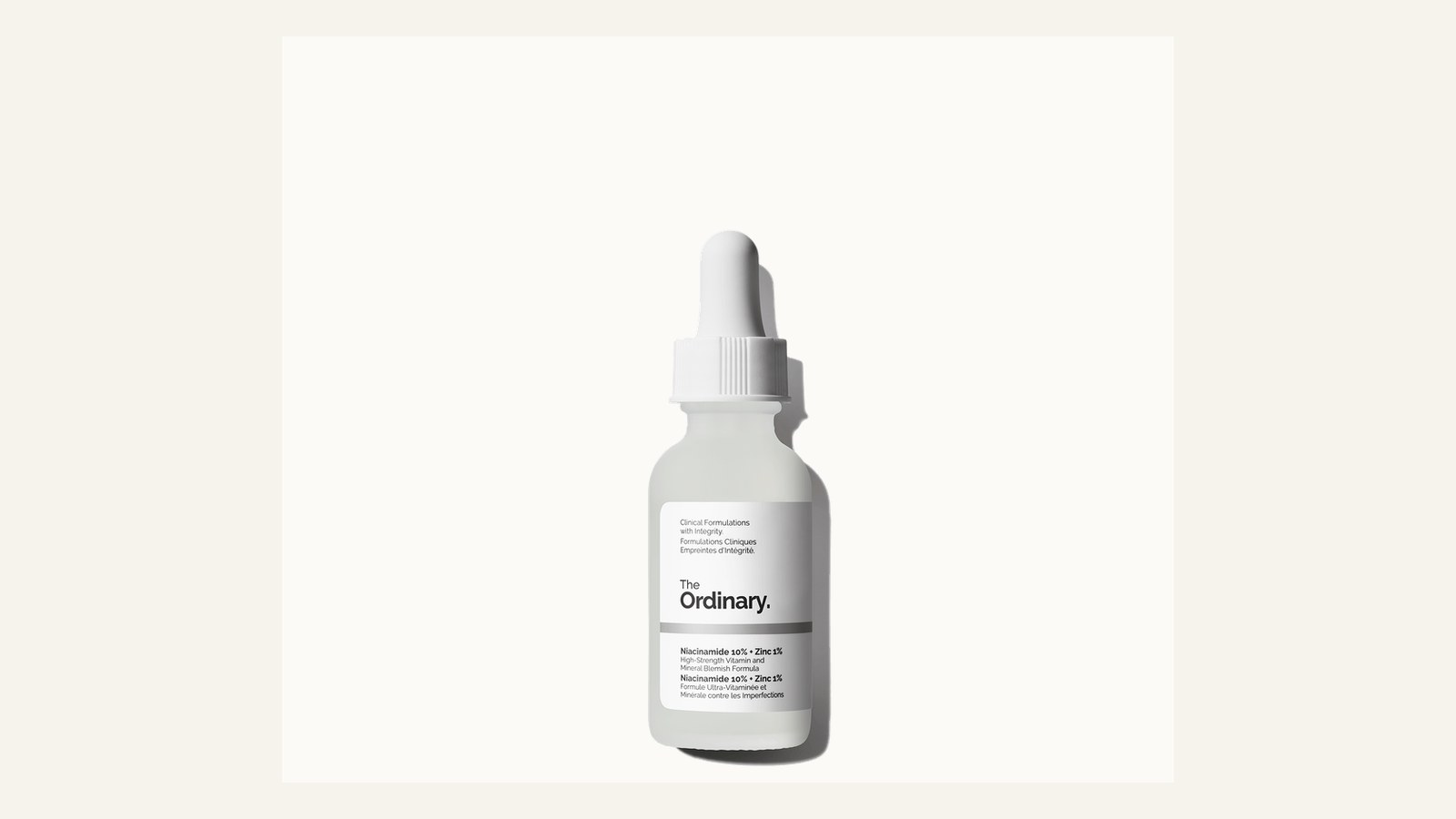
Niacinamide can support tone, oil balance, and barrier-friendly routines, but sensitive skin does not automatically need the highest percentage available. A formula with 2-5% niacinamide may be easier to tolerate than a more aggressive serum, especially if your routine already includes retinoids, exfoliating acids, or vitamin C.
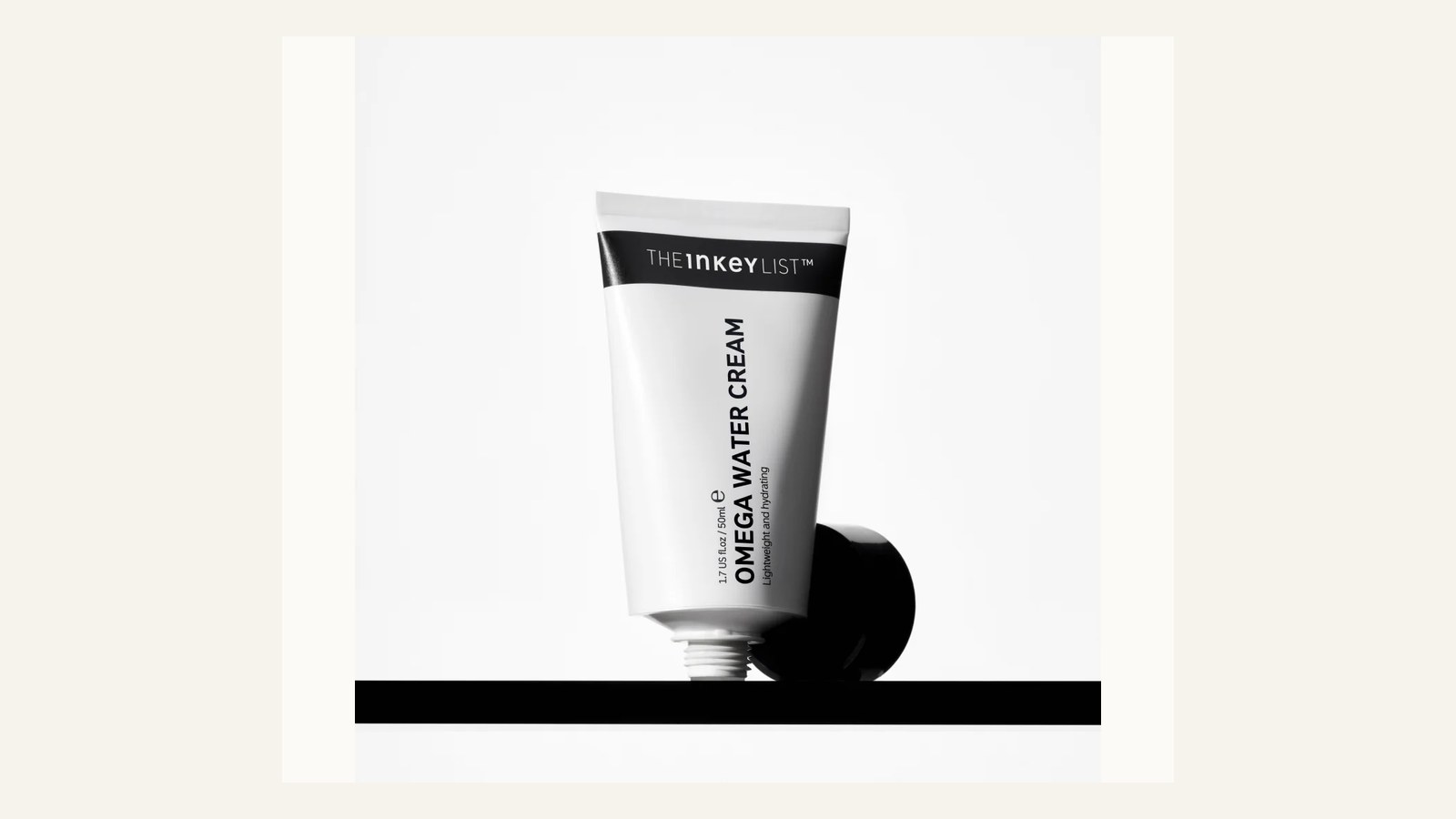
The INKEY List's Omega Water Cream is a good example of context. The official product page describes a lightweight water cream with 5% niacinamide, 5% glycerin, betaine, and a ceramide complex. That reads differently from a standalone high-strength niacinamide treatment because the formula is framed as hydration and oil balance rather than a single-active push.
If your skin is oily but dehydrated, niacinamide in a moisturizer may be more useful than adding another serum. If your skin is dry and stinging, prioritize a plainer moisturizer first.
Retinoids and Exfoliating Acids: Treat Them as Training, Not Decoration
Retinoids, AHAs, BHAs, and exfoliating toners can be valuable, but sensitive skin needs a tolerance plan. These are not decorative ingredients. They are routine-changing actives.
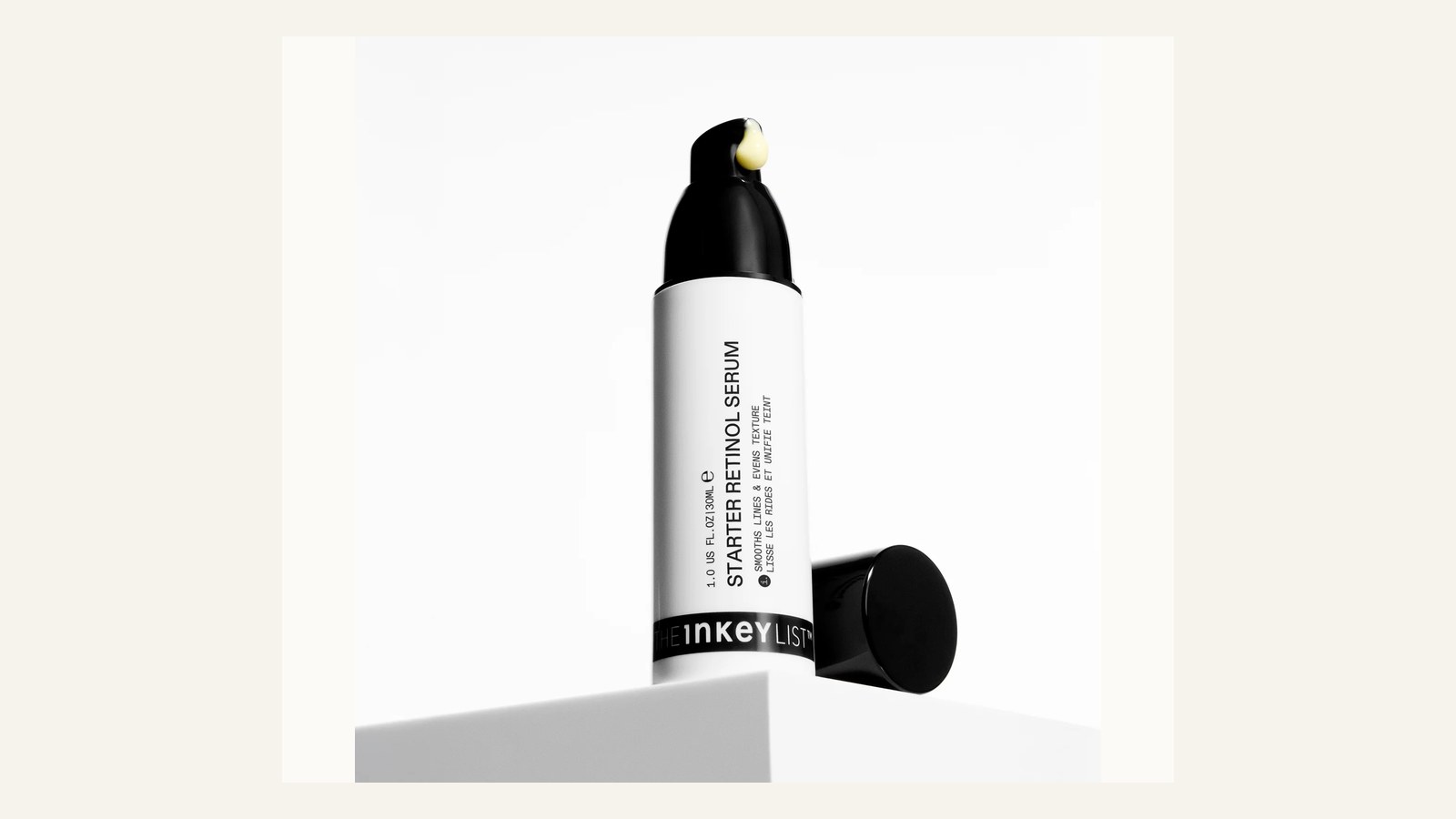
A product with retinol, retinal, adapalene, glycolic acid, lactic acid, mandelic acid, or salicylic acid should be introduced slowly. Do not add several at once. Do not judge the formula only by whether it also contains soothing ingredients. A retinoid serum with ceramides can still be irritating if you use it nightly before your skin is ready.
For beginner retinoid choices, use our beginner retinoids for sensitive skin guide. A reasonable entry approach is one active night, several recovery nights, and daily sunscreen. If your barrier is already uncomfortable, pause exfoliants before starting a retinoid.
Fragrance, Essential Oils, and "Unscented" Claims
For sensitive skin, fragrance discipline matters. The AAD specifically recommends products labeled fragrance-free for dry, sensitive skin and warns that "unscented" can still involve ingredients used to mask odor. That small label difference is easy to miss when the front of the bottle says calming, clean, natural, or gentle.
Essential oils should also be treated as fragrance-adjacent unless the product gives a specific reason and your skin already tolerates them. Lavender, citrus peel oils, eucalyptus, peppermint, and similar fragrant extracts can make a formula feel spa-like, but that does not make them barrier-friendly.
A practical shopping rule: if your barrier is reactive, choose boring labels for two weeks. Fragrance-free cleanser, simple moisturizer, sunscreen, and one targeted active later. Boring is often the reset that lets you identify what actually helps.
Peptides, Collagen, and Trend Ingredients
Peptides, collagen, exosomes, ferments, and microbiome claims can sound advanced, but sensitive-skin shopping should still start with the basics. DermNet notes that large molecules such as peptides and collagen cannot penetrate through the stratum corneum in the way marketing sometimes implies. That does not mean every peptide product is useless; it means you should not pay more unless the base formula, texture, and routine fit already make sense.
Ask three questions before paying a premium:
- Does the formula also include proven comfort ingredients such as glycerin, ceramides, dimethicone, petrolatum, or panthenol?
- Is the texture right for when I will use it?
- Does it replace a product I already own, or just add another layer?
For deal judgment, our skincare deal value check explains how to compare size, frequency of use, and price-per-use rather than chasing vague premium claims.
A Sensitive-Skin Label Decision Tree
Use this quick decision tree before buying.
If your skin stings with water or moisturizer, choose a fragrance-free cream or balm with humectants, emollients, and occlusives. Avoid retinoids, acids, strong vitamin C, and scrubs until the barrier feels calmer.
If your skin is oily but tight, look for lightweight hydrators: glycerin, hyaluronic acid, betaine, sodium PCA, and a gel-cream or water-cream texture. Niacinamide can help if your skin already tolerates it.
If your skin is dry and flaky, look for creams with glycerin, petrolatum, dimethicone, ceramides, cholesterol, fatty acids, or shea butter. Apply after cleansing while skin is still slightly damp.
If your main goal is texture or blemish control, introduce one active at a time. Retinoids and exfoliating acids should not enter the same week unless you already know your tolerance.
If the product claims barrier repair but leads with fragrance, multiple exfoliants, or a long list of trendy botanicals, pause. The claim may still be legal marketing, but it is not the calmest first choice for sensitive skin.
How to Patch Test Without Turning It Into a Project
Patch testing cannot guarantee zero reaction, but it reduces guesswork. Apply a small amount to a discreet area, such as the side of the neck or inner arm, and watch for burning, itching, swelling, or persistent redness. The Ordinary's official product guidance gives a similar safety logic: use only as directed on unbroken skin, patch test before use, and stop if irritation occurs.
For face products, also test the texture. A formula may be non-irritating but too shiny, too drying, too sticky, or too heavy for daily use. That matters because a product you avoid using is poor value even if the ingredient list looks good.
FAQ
What ingredients should sensitive skin avoid first?
Start with fragrance, essential oils, harsh scrubs, and too many exfoliating acids in one routine. Sensitive skin does not need to avoid every active forever, but it usually benefits from removing obvious irritant risks before adding retinoids, acids, or high-strength brightening serums.
Are ceramides better than niacinamide for barrier repair?
They do different jobs. Ceramides are lipid-support ingredients that make sense in moisturizers for dryness and barrier comfort. Niacinamide can support tone, oil balance, and barrier-friendly routines, but concentration and formula context matter. If your skin is dry and stinging, start with a ceramide-rich moisturizer.
Is hyaluronic acid always good for sensitive skin?
Not always. Hyaluronic acid can be helpful in a well-balanced moisturizer, but a watery HA serum may feel tight if used without a sealing cream in dry air. Look at the whole formula and follow with moisturizer if your skin tends to lose water quickly.
Can I use retinol if I have sensitive skin?
Many sensitive-skin shoppers can use retinoids, but slowly. Start with a gentle formula, use it once or twice weekly, avoid exfoliating acids on the same nights, and keep recovery nights simple. If your skin is currently burning, peeling, or inflamed, repair the routine first.
How many new skincare products should I try at once?
One. Sensitive skin needs clean data. If you add a cleanser, serum, moisturizer, and exfoliant in the same week, you will not know which product helped or irritated. Introduce one product, keep the rest of the routine stable, and reassess after several uses.
Sources
- American Academy of Dermatology: Dermatologists' top tips for relieving dry skin
- DermNet: Emollients and moisturisers
- CeraVe UK: Moisturising Cream Pot
- The Ordinary: Natural Moisturizing Factors + HA
- The INKEY List: Omega Water Cream
Title Candidates
- Ingredient Decoder for Sensitive Skin: 12 Barrier-Friendly Clues for Reading Skincare Labels
- Sensitive Skin Ingredient Decoder: How to Read Labels Before You Buy Another Serum
- Barrier-Friendly Skincare Ingredients: A Practical Decoder for Sensitive Skin Shoppers
- How to Decode Skincare Ingredients When Your Skin Reacts to Everything
- Ceramides, Niacinamide, and Retinoids: A Sensitive-Skin Ingredient Decoder